Location Matters: Where to Build a Profitable Care Home in 2026
January 16, 2026
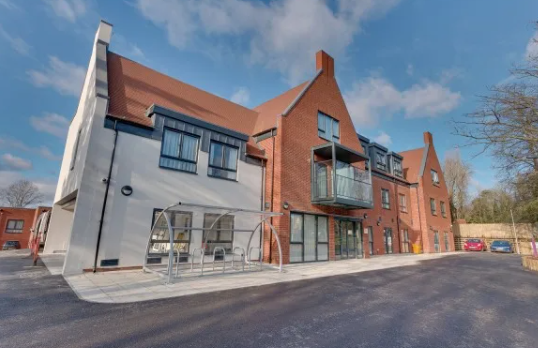
If you're planning to build a new care home in the UK in 2026, one factor will shape almost every decision you make, and that is " location".
From regional demand to construction costs and planning policies, where you build has a direct impact on your occupancy rates, staffing pool, running costs, and long-term profitability.
This blog examines the best opportunities for care home development in 2026 and what to consider when choosing a site.
Why Location is Crucial to Care Home Success
A care home isn’t like a high street shop or a retail warehouse. You’re not just thinking about visibility or footfall. You’re planning a facility where people will live, receive long-term care, and be visited by family and healthcare professionals.
That means the location needs to work on multiple levels:
-
It must serve a real local demand for residential, nursing, dementia or specialist care
-
It must be accessible for staff, family visitors and community health services
-
It must be viable in terms of land availability, planning policy and build costs
Choosing the wrong location can lead to low occupancy, difficulty hiring staff, or high construction costs. The right site supports good care and long-term financial stability.
Where Demand is Growing Fastest
ONS data shows the UK population aged 85 and over will almost double in the next 25 years. This growth is not the same everywhere. Some regions have older populations, while others have new housing that will change local demand.
Here are some of the regions and counties to watch in 2026:
1. South East England
Kent, Surrey, Hampshire, and East Sussex have strong private-pay demand because of higher wealth and older populations. Land is more expensive, and planning can be harder, so it is important to choose your site early.
2. East of England
Bedfordshire, Hertfordshire, and Cambridgeshire have more older people and more new housing. There are good transport links and not enough modern care homes, so these counties are good options for new developments.
3. West Midlands
Local authorities in the West Midlands are supporting more adult social care, and building costs are lower. This creates opportunities for both public and private care home projects.
4. South West England
Somerset and Gloucestershire are rural areas with many retirees but not enough modern care homes. If you can manage rural planning rules, there is strong demand.
5. Yorkshire & the Humber
Yorkshire has growing health needs and large rural areas. There is strong demand for specialist dementia and nursing care homes, especially where existing services are insufficient.
Planning Considerations That Affect Site Choice
Even in areas with high demand, planning policy can be a barrier or a boost. Here’s what to think about:
-
Does the local authority have a policy position on care home needs? Some councils publish market position statements or social care plans that identify gaps.
-
Is the site brownfield, greenfield, or within a conservation area? Each comes with different implications for approval and design.
-
Are there active Local Plans or Neighbourhood Plans that support elderly accommodation? These can help unlock permissions faster.
-
What is the precedent for care homes in the area? Check if similar schemes have recently been approved or rejected.
It helps to involve a planning consultant early to avoid delays.
Construction Costs: Regional Variations to Expect
Build costs are rarely uniform across the UK. In 2026, key factors influencing cost per sqm include:
-
Labour availability and wage rates
-
Material transport costs (especially for rural sites)
-
Access for large plant and equipment
-
Site prep complexity (groundworks, drainage, utilities)
As a rough guide:
-
Urban areas in the South East may see total build costs (including prelims and externals) upwards of £2,500/sqm
-
Rural Midlands and North West sites might be closer to £1,800–£2,000/sqm, depending on specification
Using modular or off-site construction can help control costs where there are not enough skilled workers.
Other Location Factors to Consider
Workforce Availability
Can you access a local pool of qualified care workers, nurses, and ancillary staff? If recruitment is already stretched in the area, this will affect your operating model.
Transport and Accessibility
Think about access not only for delivery vans and staff commuting, but also for visiting families, GPs, physios and social workers. Is the site realistically reachable by public transport?
Catchment Competition
Find out how many other care homes are within 3 to 5 miles. Check if they are older or newer buildings and look at their CQC ratings.
How to Choose the Right Location
There is no single best answer. The right location depends on your care model, target market, and budget.
Start by:
-
Mapping demand using local authority reports and population forecasts
-
Checking the planning history in your area of interest
-
Talking to local care commissioners or adult social care teams
-
Running a financial model based on build costs, fees, and expected occupancy
With the right location, a well-designed care home can meet real needs, improve lives, and deliver strong long-term returns.
At Care Home Builders, we help providers and investors identify the right sites, secure permissions, and build homes that work for residents, staff, and operators alike.
Thinking of starting a new care home project? Let’s talk about location.
Recent Blogs
- CQC Registration for a New Care Home: The Full Process, Timeline, and What Goes Wrong
- Care Home Development Finance Explained: Senior Debt, Mezzanine, and Forward Funding
- How Your Building Design Affects Staffing Costs — and Why It’s Worth More Than You Think
- Care Home Insurance and Warranties: What Every Developer and Investor Needs to Know
- Care Home Build Cost vs Fee Income: The Numbers That Actually Matter for Investors