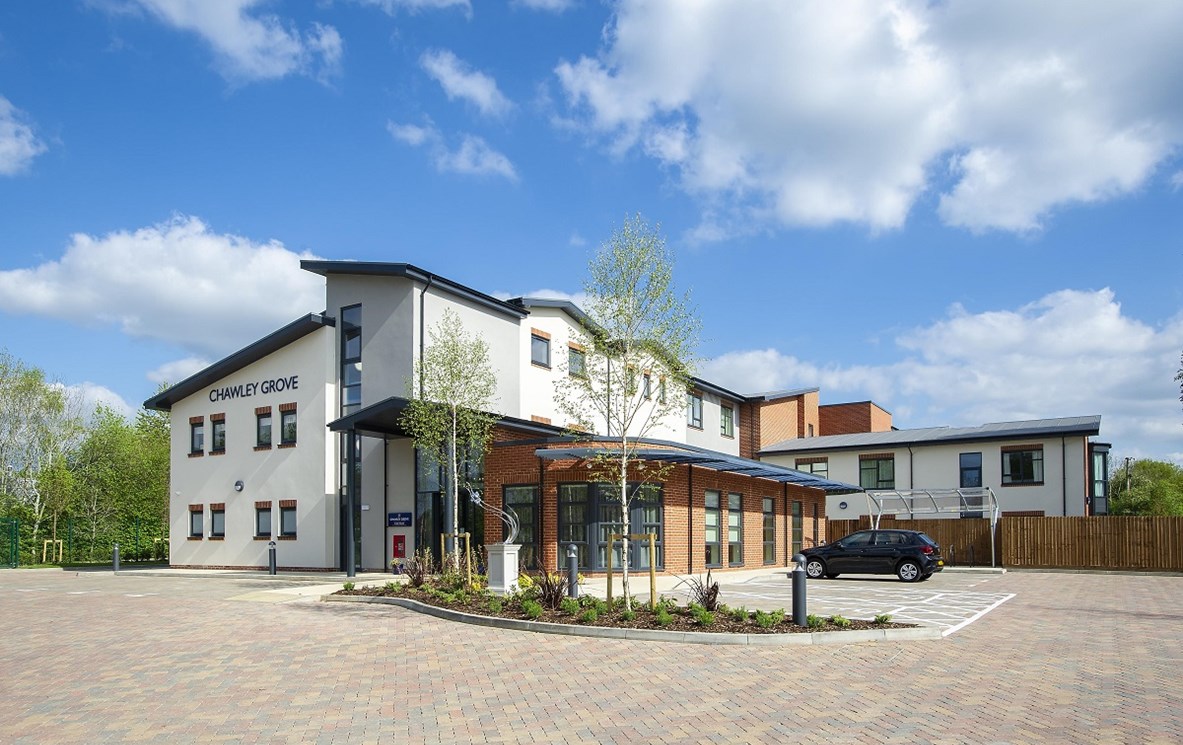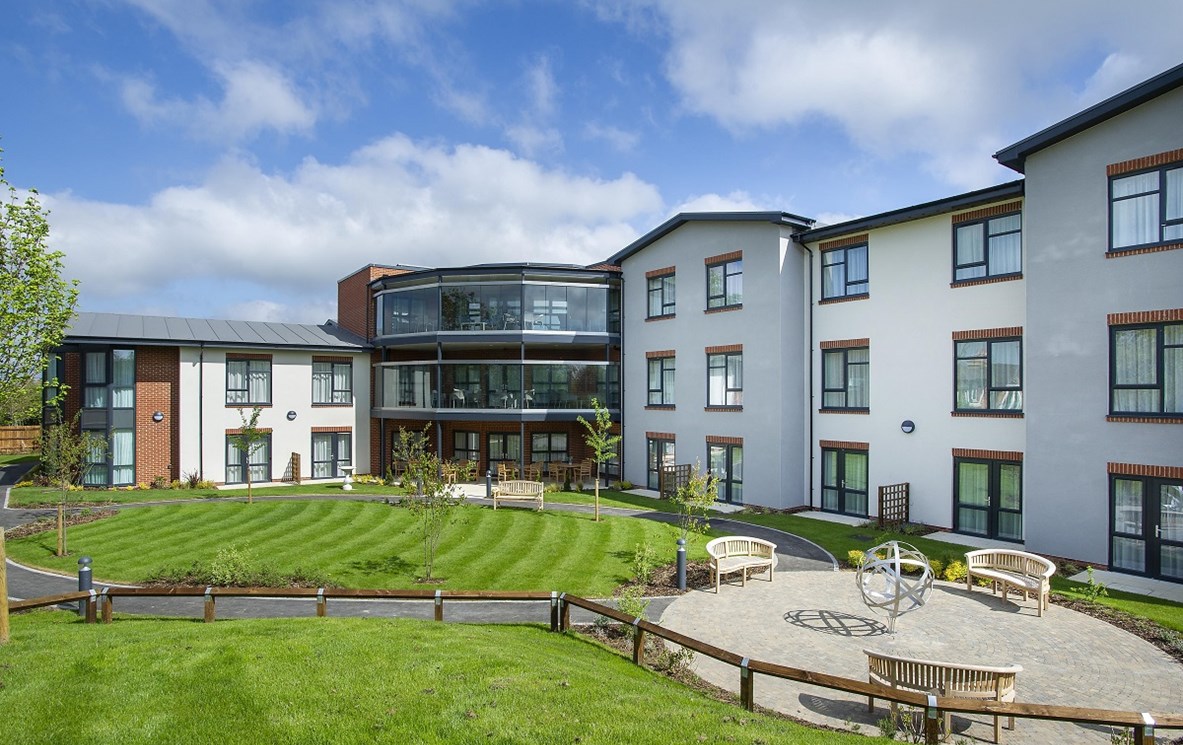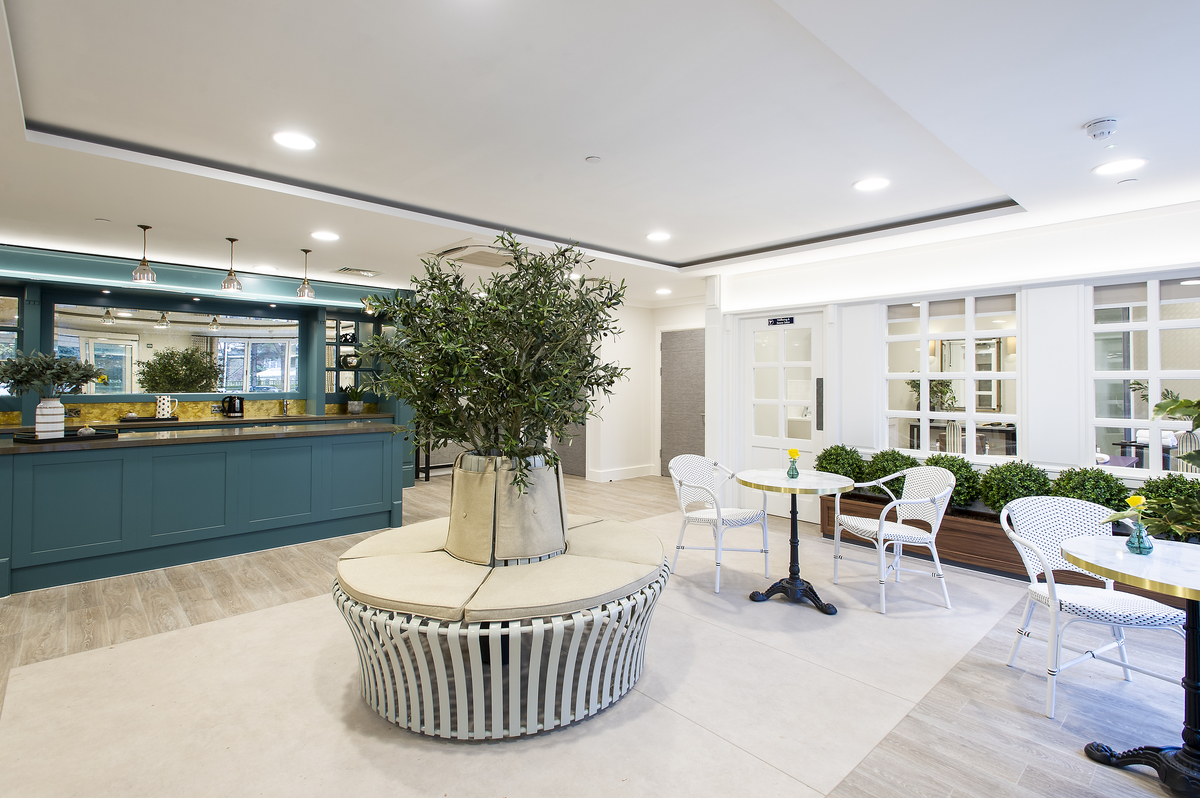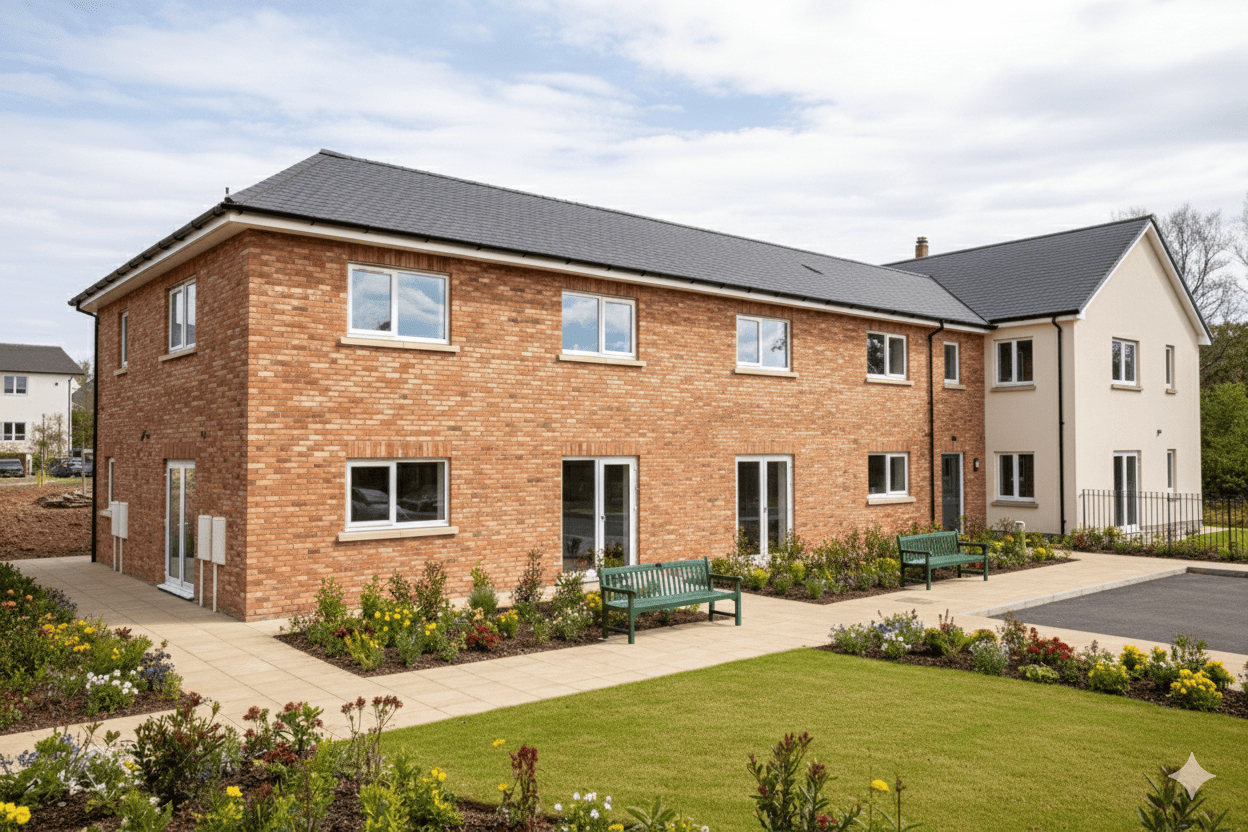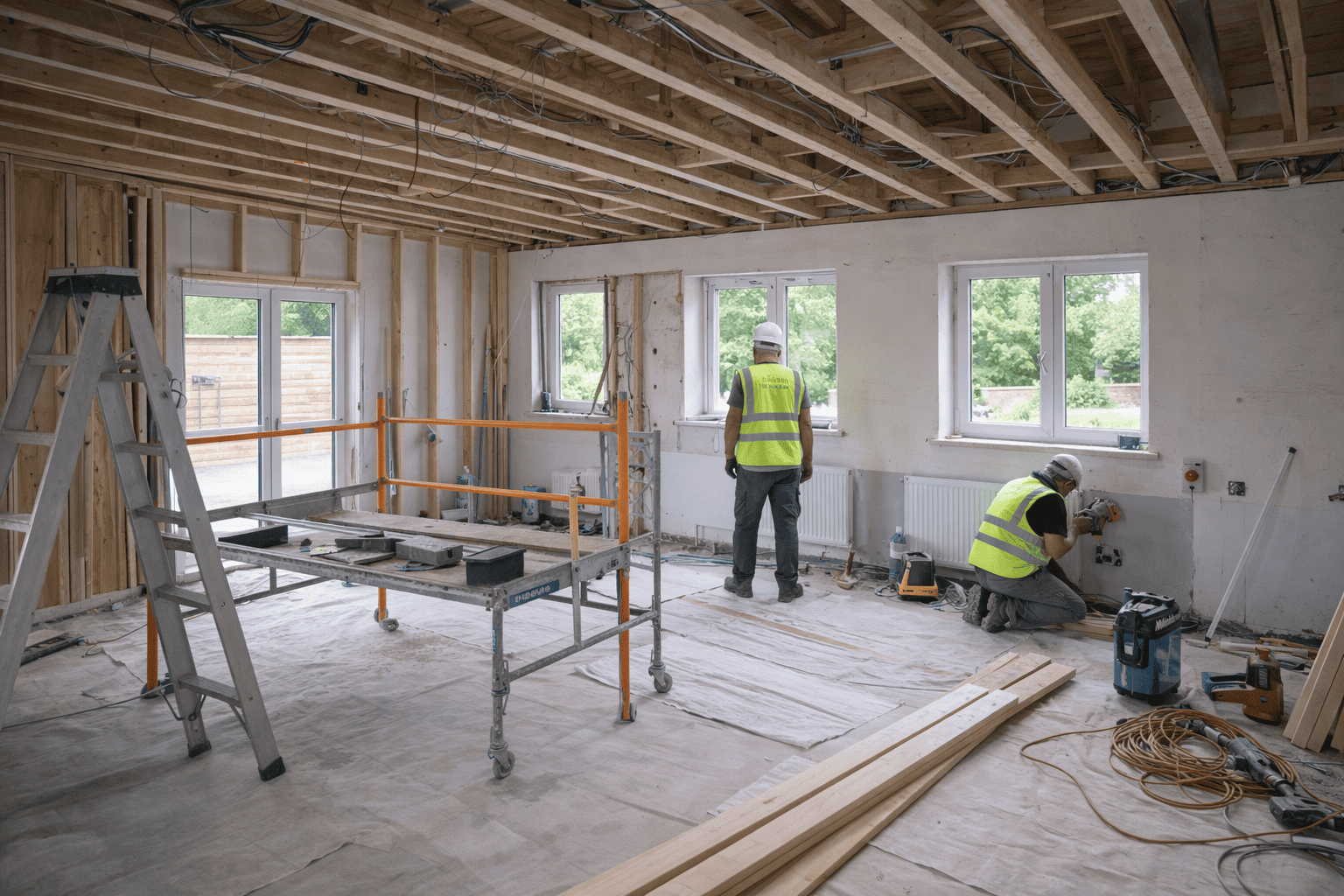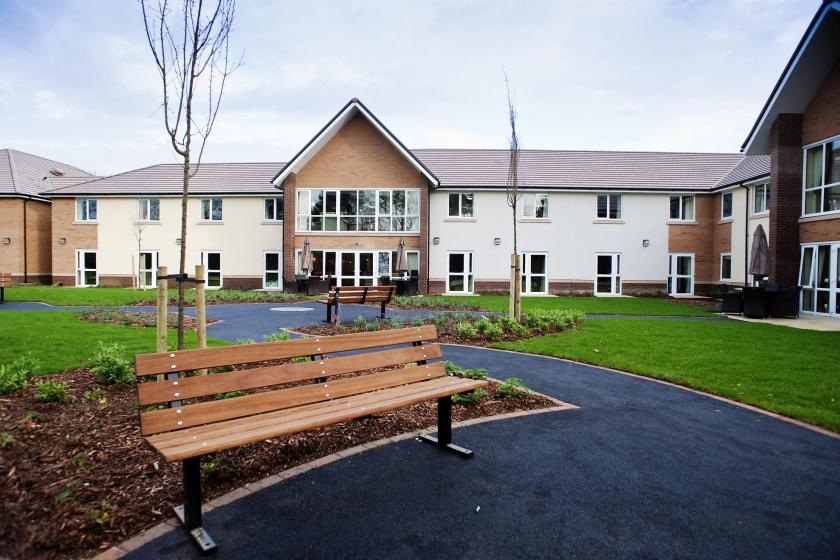
Our construction services include building new care homes, extending existing ones, and refurbishing and upgrading care homes across Cambridgeshire. This includes both new buildings in the cities of Cambridge and Peterborough, as well as refurbishment projects throughout the county, including Ely, Huntingdon, St Ives, March, and many other rural and market town areas across the county’s Fenland and rural areas. Every single care home project we undertake is specifically designed based on our experience working solely in the Care Sector; therefore, all our completed projects meet CQC (Care Quality Commission) compliance, HTM/HBN standards, and the real-world operational needs of running a Care Home.
We provide care home construction and development services throughout Cambridgeshire, supporting projects in Cambridge, the surrounding commuter belt, established market towns and the county’s more rural communities.
| Area | Key Locations | Local Market Overview |
|---|---|---|
| Cambridge City | Cambridge, Trumpington, Cherry Hinton, Arbury, Chesterton | Cambridge has a comparatively young population, but high property values and strong levels of homeownership support a valuable self-funded care market. Addenbrooke’s Hospital creates consistent demand for suitable care placements following discharge. Development land is limited and commands a premium, although achievable care fees are among the highest in the county. |
| South Cambridgeshire | Cambourne, Sawston, Linton, Royston, Melbourn, Comberton | This fast-growing commuter area benefits from continued housing development and an increasingly established population. Strong access via the M11, A10 and A505 makes the district attractive for operators, staff and visiting families. Demand is growing across its expanding villages and market towns, while the self-funded care market continues to strengthen. |
| East Cambridgeshire | Ely, Soham, Littleport, Burwell, Fordham | East Cambridgeshire is expected to experience particularly strong growth in its over-65 population. Ely represents the district’s most established care market, with its attractive cathedral-city setting helping to support private-fee demand. Across the wider rural and Fenland area, dispersed communities and limited modern purpose-built provision may create opportunities for carefully located developments. |
| Huntingdonshire | Huntingdon, St Ives, St Neots, Ramsey, Godmanchester | Huntingdonshire combines established market towns with a substantial rural population. Good connections to the A14 and A1 improve accessibility across the district. Huntingdon and St Ives already have recognised care markets, while the more affluent parts of St Ives, St Neots and surrounding villages may offer strong potential for self-funded care. |
| Fenland | March, Wisbech, Chatteris, Whittlesey | Fenland typically has a greater proportion of local-authority-funded residents than other parts of the county. However, genuine unmet care demand, an ageing population and limited modern competition can still support viable development opportunities. Lower land values may make the area particularly suitable for efficient local-authority-funded or mixed-market care home models. |
| Peterborough and the Cambridgeshire Border | Peterborough, Werrington, Bretton, Yaxley, Whittlesey | Although Peterborough is a separate unitary authority, it forms an important adjoining care market. The city’s growing and increasingly diverse population is creating additional pressure on adult social care services. Peterborough City Hospital also generates continuing discharge demand, creating opportunities for residential, nursing, dementia and step-down care provision. |
Whether the proposed development is in central Cambridge, an expanding commuter settlement or a rural market town, we assess each location according to local demand, land availability, achievable fees, workforce access and the existing supply of care beds. This helps ensure that every care home is designed around the needs and commercial realities of its local market.
While it is possible to build in Cambridge city, given the high costs and the city's land constraints, this is unlikely to provide the best development economics for most operators. Therefore, the primary opportunity for developers lies in the surrounding districts; i.e., South Cambridgeshire, East Cambridgeshire and Huntingdonshire, which contain growing older populations, are cheaper in terms of land costs compared to Cambridge, and have fewer purpose-built competitors. This includes Ely, St Ives, St Neots and other developing South Cambridgeshire market town areas. Because the discharge pathway from Addenbrooke's spans the entire county, new developments do not need to be located close to Cambridge to access NHS placement income.
This again depends upon how you view your financial models. While Fenland contains the greatest level of deprivation in the county, it also contains: (1) a proven, documentable unmet need for care services; (2) few modern competitor providers; and (3) the lowest cost per acre land prices available in the county. As such, while headline weekly fee rates are likely to be lower in Fenland than those found in the Cambridge commuter belt, if you develop a financially sustainable care service using a mix of LA-funded and self-funding clients, there are still good development economics available. The critical aspect of providing care services in Fenland is carefully modeling the LA funding replacement rate for Cambridgeshire County Council placements, as well as selecting a suitable staffing strategy, since Fenland also has a tight labor market for care workers. However, operators who dismiss Fenland as a potential site for a care home are leaving a significant void in the delivery of much-needed services, a void that will eventually be filled by another developer.
Cambridgeshire operates under a two-tier system consisting of a county council and six district/city councils: Cambridge City Council; South Cambridgeshire District Council; East Cambridgeshire District Council; Huntingdonshire District Council; Fenland District Council; and South Norfolk Council for the Wisbech St Mary border area. Peterborough is a separate unitary authority. Applications for care home approval are submitted directly to the respective district or city council. In general, these planning authorities have supported evidence-based applications to build care homes. We support our customers through the entire planning process and include pre-application engagement in our approach, which we have consistently shown to lead to improved outcomes and shorter timelines.
Although indirectly related to the care services provided by developers, the success of the tech/biotech sector in Cambridge has driven above-average incomes and housing prices across the county. These high-income earners reside primarily in the Cambridge commuter belt, South Cambridgeshire, along the A14 corridor and in the various market towns. Consequently, the same individuals purchasing homes today in Cambourne, Sawston, and Linton will represent the self-funded base for future residents in 2040. These demographics are reflected in projected population trends, which show that South Cambridgeshire and East Cambridgeshire have among the fastest-growing older adult populations in the county.
Would you like to learn more about how we can help you with your next residential or commercial project, fill in your details and a member of our team will be in touch.
You cannot open a care home in England without CQC registration. Not for a single day, not for a trial run. Operating without registration is a criminal offence under the Health and Social Care Act 2008. Most developers know this. What they un..
Read Full Story »
Most care home developers know roughly what their project will cost. Fewer have a clear picture of how to fund it. Development finance for care homes is more complex than standard commercial property lending. Lenders are not just underwriting ..
Read Full Story »