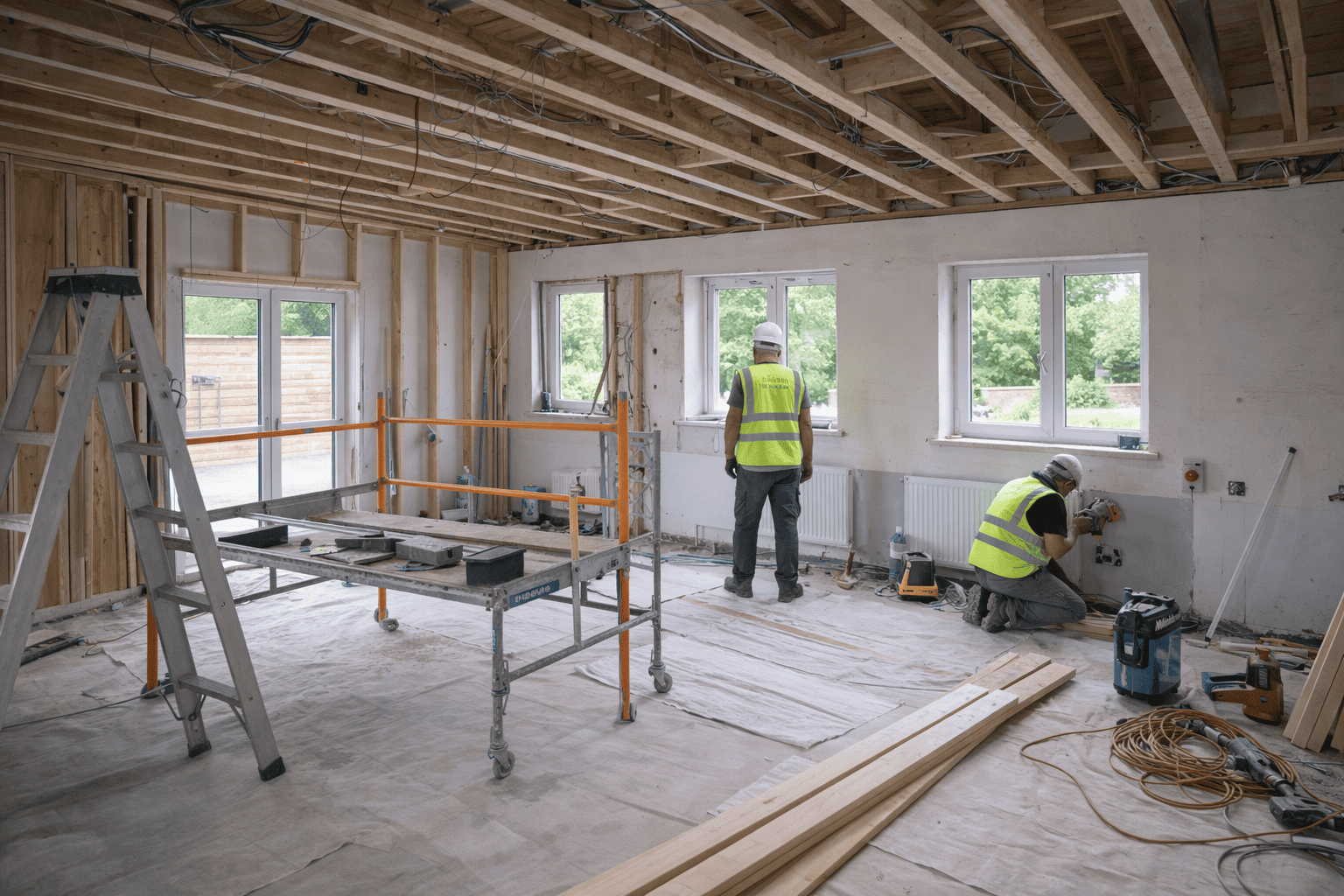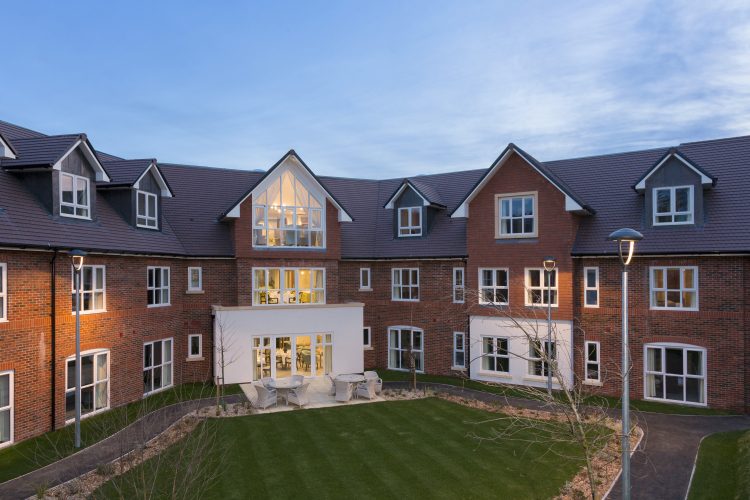
Retirement Home Construction

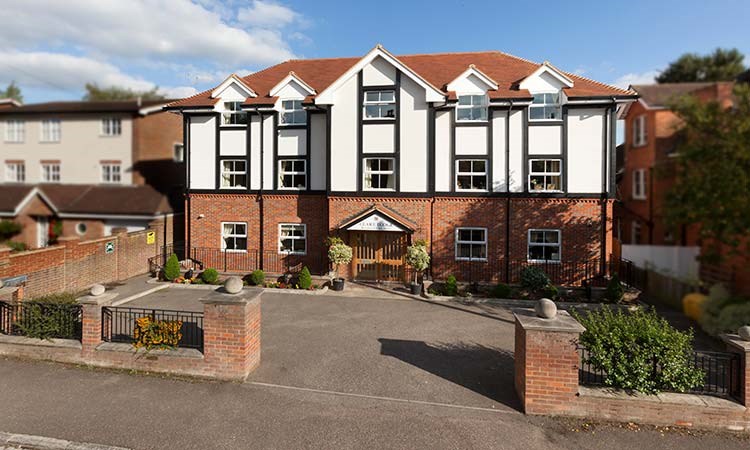
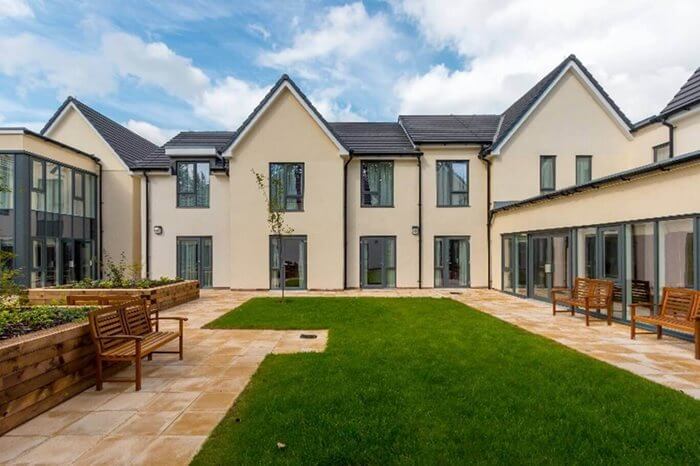
We create retirement homes across the UK, whether it’s sheltered housing, extra care developments or full retirement villages, always designed with real people and everyday living in mind. Across the UK, there is an enormous shortfall in the provision of new retirement properties. Care Home Builders deliver successful retirement property developments that function commercially, practically and for the benefit of all users. We possess extensive knowledge and experience of every stage of our development process, from initial site acquisition through to construction completion and CQC accreditation. Furthermore, we apply genuine industry-specific knowledge to inform every aspect of our decision-making processes.

Retirement Home Construction

Planning a retirement home project? We design and build high-quality retirement schemes across the UK, focused on comfort, compliance, and long-term value.

Current Retirement Homes in UK

Across the UK, there is an enormous shortfall in the provision of new retirement properties. Only approximately 4,000 new “later living” properties are being delivered per annum. In comparison, the UK population aged 65 or older is increasing by tens of thousands each year. This is resulting in a sizeable gap between the number of retirement property developments currently available and the number required to support the ever-increasing population of retirees. As such, the current retirement property development environment has created a competitive marketplace where successful developers and operators will be those who can provide well-designed, high-quality and suitable accommodation. 

However, designing and delivering well-suited retirement property developments requires far more effort than many would initially assume. A typical retirement property development does not fit into either category of (a) a standard residential scheme or (b) a standard care facility. The design of retirement property schemes operates within its own set of regulatory frameworks, including distinct planning regulations and design requirements, different purchasing arrangements for the developer/contractor, and different expectations from prospective residents, their family members, and local authority stakeholders. 

care-home-construction-uk1.jpg

What is Retirement Home Construction?

Retirement Home Construction that focuses on creating homes (housing) for older adults where they can live as independently as possible, however, within a structure built specifically for them. This type of construction is much broader than traditional construction (residential), and also wider in scope than typical care home construction.
Why does this matter?
Everything differs depending on whether you are doing retirement home construction or another type, including the planning submission, design specifications, build specification, procurement method, and how the building will be run after completion.

The Retirement Home Spectrum:
Sheltered housing - Self-contained flat(s)/bungalow(s) for over 55's/over 60s who wish to remain independent with an alarm system and a Scheme Manager. Communal facilities are limited. Typically, either rented via Social Rent or Shared Ownership.
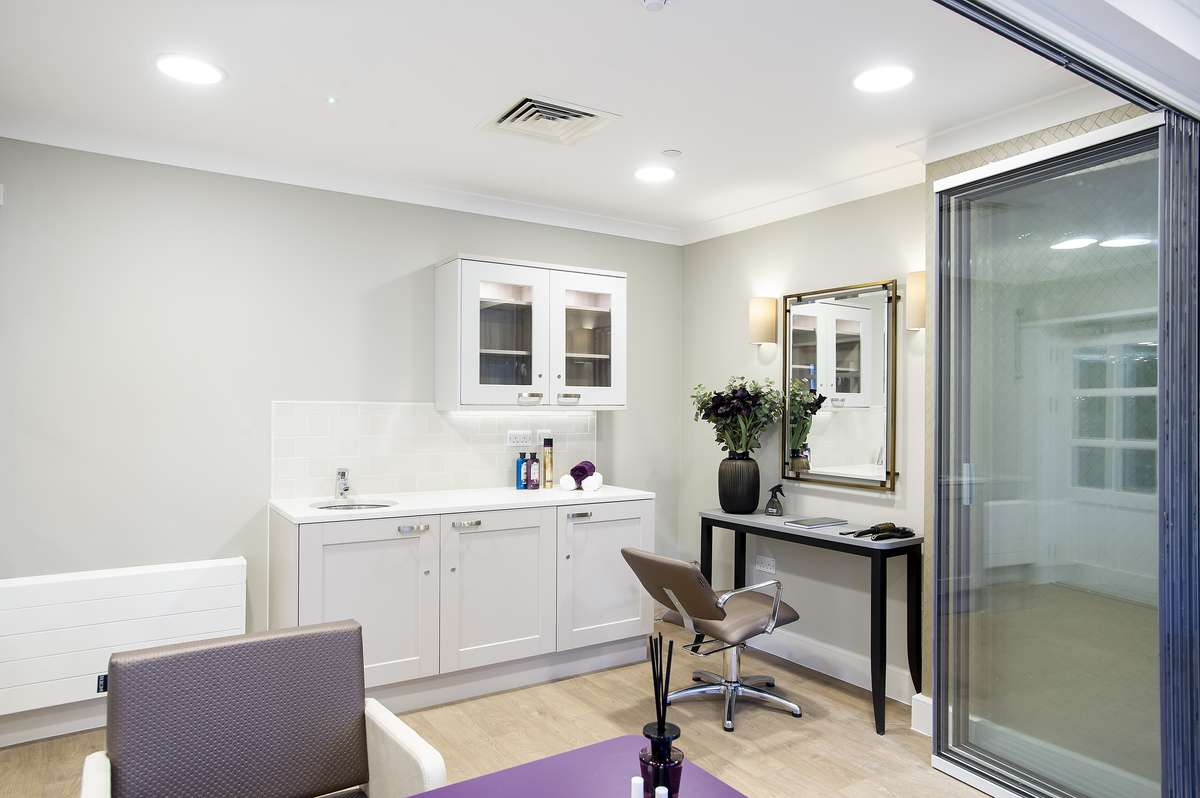
Retirement Living Apartments - Private/Leasehold apartment(s) with additional communal features such as a Residents Lounge, Landscaped Gardens, Guest Suite, Café/Activity Space, etc. There is no On-Site Care.
Extra Care Housing - Apartment(s) owned by the resident, with a greater degree of support available on site. Each owner has their own front door, yet there is access to the property's support services and care. Also includes communal dining and activities, as well as 24-hour staffing. May include Affordable Rents, Shared Ownership, and Private Sales.
Assisted Living - An extension of Extra Care Housing. The owners/residents of each apartment require more personal support and/or assistance with daily tasks. The development requires adequate accommodation to deliver this support without a clinical feel.
Retirement Villages - Large Multi-Building Communities incorporating Independent Living, Extra Care and possibly a Dedicated Care Home situated on the same Campus. Include large-scale Communal Infrastructure, i.e. Restaurants, Wellness Centres, Shops, etc., along with extensive Landscaped Outdoor Spaces.

As mentioned above, each model type will have its own specific Construction Requirements, Planning Classification(s), Cost Per Unit, and Operational Implications.
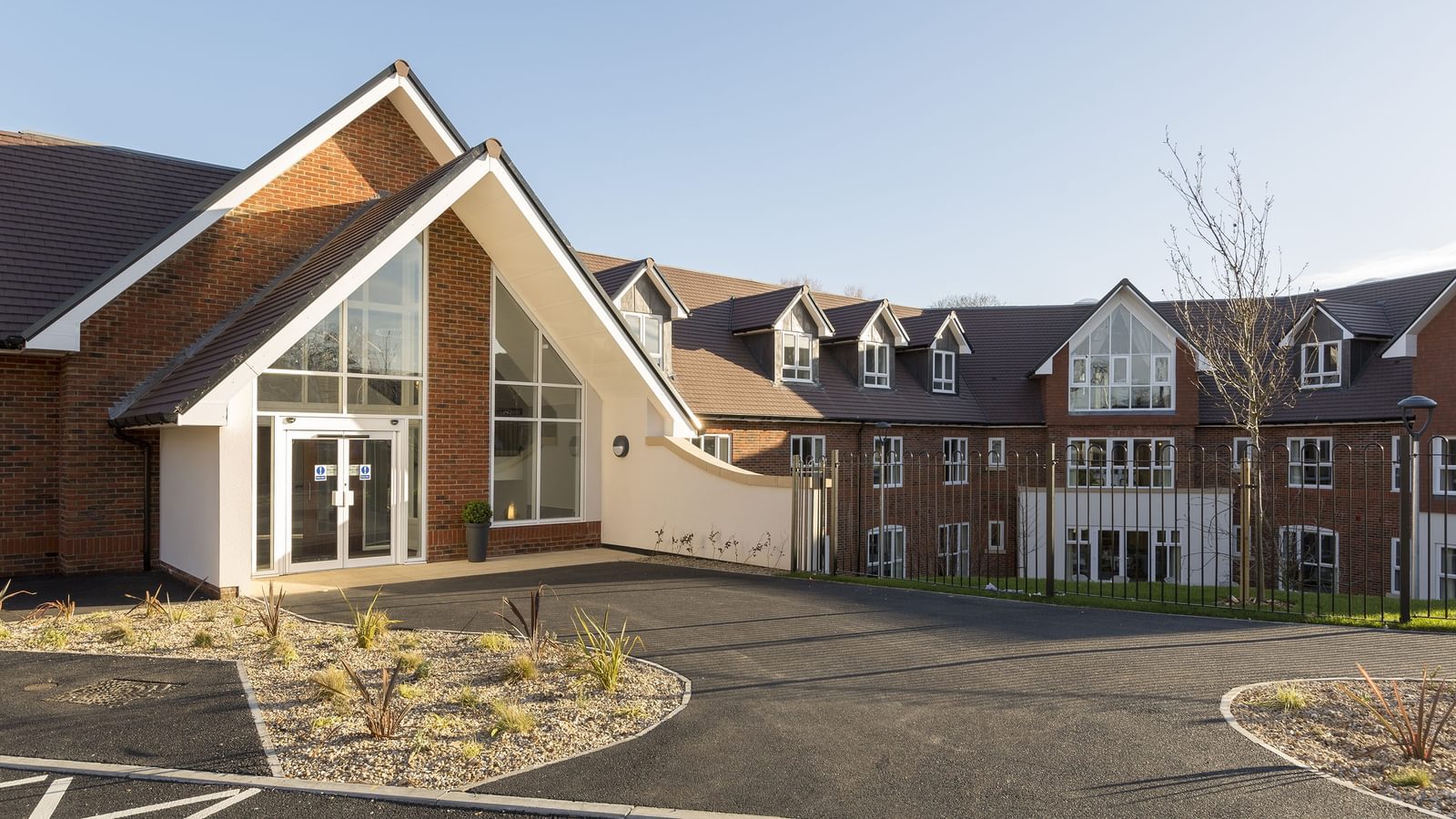
care-home-construction-uk3.jpg

What We Build

Sheltered Accommodation and Retirement Living Schemes.
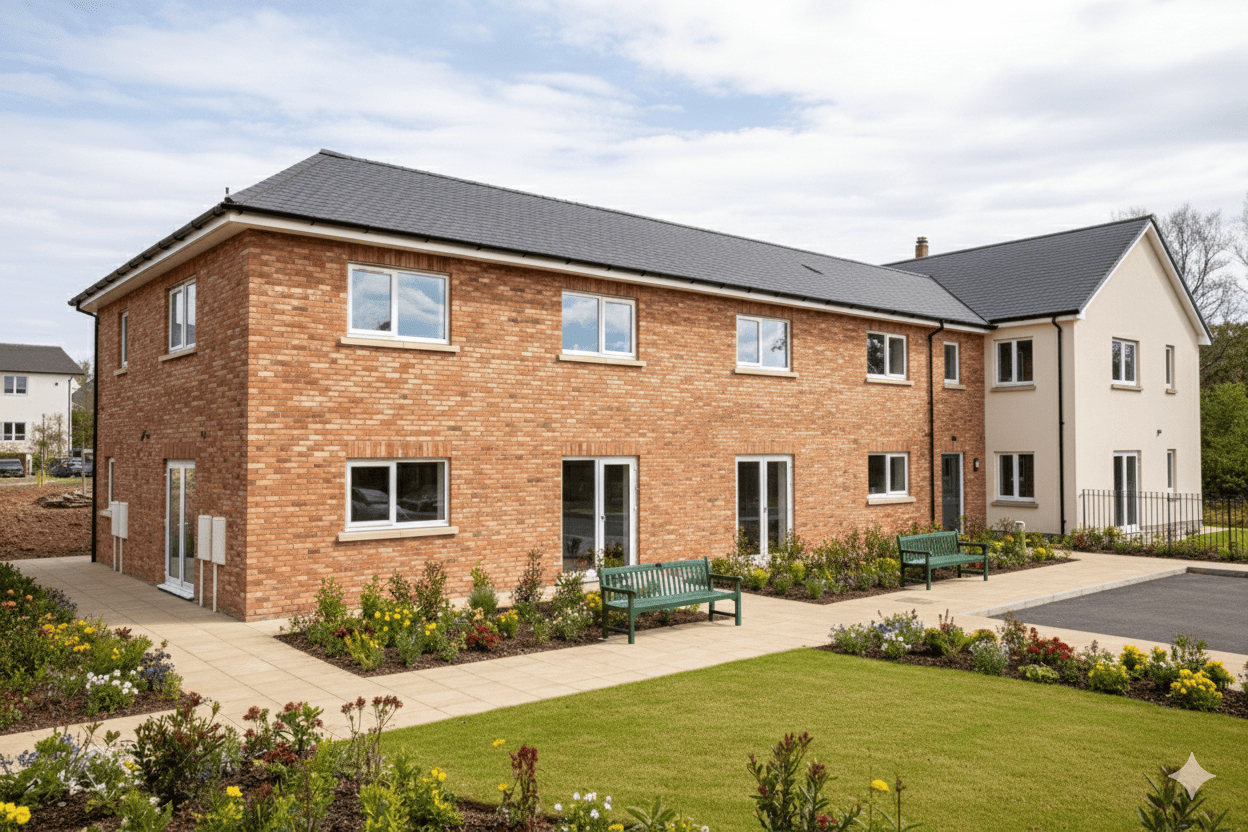
Sheltered accommodation for self-sufficient elderly or older people typically provides 30–70 self-contained flats at ground-floor and first-floor levels. Lifts, communal lounges, landscaped gardens and 24-hour alarm systems provide sheltered comfort. They may be available for private purchase/leasehold/rent/sales/, or shared equity. The buildings are designed with greater accessibility than general-purpose residential dwellings, i.e., wider entrance doors, adaptable bathrooms, and easy access to all flats via the car park.

Infill development is suitable. In addition to urban infill, sheltered housing may also be developed on brownfield land and in association with mixed-use developments incorporating market housing/commercial premises/community facilities, etc.

Extra Care Housing:
Apartments providing on-site care services. Normally, there will be 60–100+ apartments over 2 or 3 storeys. Compared with traditional residential construction, extra care schemes are much more complex. This includes: commercial kitchens/staff facilities/treatment rooms/24 hr call systems/mobility aids/car parking/charging points for scooters, etc. In addition, as these schemes are normally multi-tenure (i.e. affordable rent, shared equity/private sales), careful management of differing specification requirements between funding providers will be required.

Local Authorities now favour Extra Care as a means of supporting older people to continue living independently in their own homes, thereby releasing larger family houses and relieving some pressure on the NHS. We have experience in designing extra care schemes commissioned by both housing associations and local authorities through competitive tender processes.

Assisted Living Developments:
Provide an intermediate form of care. Whilst Assisted Living residents live in their own apartments, they receive greater day-to-day support. Therefore, the building must enable staff to make regular visits to deliver care whilst also allowing for the movement of medical equipment and staff in the corridors without giving a clinical feel or creating an institutional look. Decisions regarding layout/specification – e.g., corridor widths, door-to-door widths/design of bathrooms/, sight lines, etc, directly affect the ability to deliver care. We design the scheme with the intended delivery mechanism of care in mind rather than after the event.

Retirement Villages:
Multi-building communities incorporating multiple forms of housing and/or care provision on a single site. Retirement Villages are probably the most complex and expensive type of Later Living Development. An example of what could be included within a typical Retirement Village is as follows:-
Independent Living Units (ILUs): 80–150
Care Units: 40–60
Care Home: 40–60 beds
Village Centre: Restaurant/Spa/Wellness Suite/Library/Retail Units
Extensive Landscaping
Phase one of each development must be operational/income-generating prior to commencement of phase two build. We plan phased delivery to generate an income stream from early-completed phases whilst demonstrating the viability of the overall scheme during the latter phases. Site-wide road networks/utilities/drainage/village centre amenities are typically provided in phase one, enabling the subsequent construction of additional phases.

Inter-generational Schemes:
A new trend is developing in the UK: retirement housing located adjacent to other uses such as nursery schools/community centres, co-working spaces/market housing. Planning authorities increasingly see this type of intergenerational development as having wider community benefits and, therefore, are less likely to encounter NIMBY objections associated with stand-alone retirement developments.
We have previously worked on large-scale retirement schemes as part of mixed-tenancy residential developments, and on small-scale schemes that share community facilities with neighbouring residential areas. The main construction challenge is coordinating different building specification requirements and procurement methods within a single programme.

Contact Us

care-home-contractor-uk3.jpg

Planning Permission for Retirement Homes: What Developers Need to Know

Typically, planning permission is where retirement home development projects hit roadblocks. There are many ways in which planning authorities view retirement housing, and the planning environment is changing. This article explains what you need to know before starting.
Class Of Use
Class plays a major part. Typically, independent apartments for the elderly without on-site care would be classified as C3 (dwelling houses). Typically, extra care schemes or assisted living with considerable on-site care would be classified as C2 (residential institution). The class of use of the proposed scheme affects affordability requirements, car-parking standards, Section 106 contributions, etc. All factors that could affect the financial viability of the project.
National Planning Policy Framework Support For Later Living Schemes
Paragraphs 63 & 71 of the National Planning Policy Framework specifically endorse housing for older people. Authorities should identify housing needs for their elderly population and allocate suitable land. While support is provided by policy, we find that when it comes down to making an application, the support does not always materialise. Therefore, we provide guidance on the importance of pre-planning consultation to understand what the local authority will / will not support.
Transport And Highways
Later living schemes generally have lower levels of car ownership compared to standard residential schemes. However, evidence is needed to prove this. A Transport Assessment Statement is usually requested to demonstrate this fact. We have experience preparing realistic transport assessment statements that reflect the real-life travel behaviour of the elderly, rather than relying on default values from standard residential assessments based on TRICS data from similar schemes.
Design And Access Statements
A Design and Access Statement for a retirement home scheme needs to do more than just meet the usual requirements for a residential Development Plan Document. The statement should confirm compliance with HAPPI, describe how the design will help the occupier as they grow older, illustrate the way in which the design promotes access within buildings and outbuildings, and substantiate why a particular tenure split was chosen, along with a justification of why certain communal areas were included in order to meet identified needs locally.
Older Peoples Housing Taskforce
In May 2024, the UK Government published its “Report of the Older People's Housing Taskforce,” which sets out several recommendations for increasing the delivery of new homes designed for older people. These include encouraging planning authorities to identify plots for older people's housing, reducing planning hurdles, and supporting mixed-tenure schemes. The political climate appears to be supportive of these proposals. Operators and developers need to ensure they are well placed to benefit from them.

care-home-construction-uk.jpg

The Retirement Home Build Process: From Site to Handover

1. Site Analysis & Feasibility
An analysis of the feasibility of locating a new retirement home needs to go beyond what has been done for a typical residential plot. The site must be relatively flat or slightly sloping (to ensure no steps throughout) and easily accessible by foot, bus, etc. There also needs to be nearby amenities, such as a doctor's surgery, shops, and a post office. The area must allow enough room for the proposed building size/footprint, along with adequate off-street parking and an area for some form of garden/outdoor space. All of these factors must be assessed prior to making any commitments.
2. Design Development
Retirement Home Builders can begin working with the architectural team, developing the design immediately upon beginning the project, and continue throughout. They can offer their own experience and knowledge regarding construction during this development stage. How rooms are laid out for optimal use; where additional equipment may eventually be installed (e.g., hoist); how to design shared living spaces that people will use; and designing restrooms which comply with HAPPI Standards without causing an excessive increase in cost. If you involve us as early as possible in the design process, we will help create a much better overall product.
3. Planning
Your planning consultant will be supported throughout the application process. Your consultant will receive guidance from our staff on issues related to design, technical evaluation (energy efficiency, transportation studies, and access audit), and attendance at meetings with the local government prior to applying for permission. Our experience in how planners review applications for retirement housing projects provides guidance so that your project does not fall into one of the most common traps.
4. Pre-construction
This includes detailed design, structural engineer and mechanical/electrical engineer designs, building regulation compliance, procurement, and selection of the general contractor. For many years, Retirement Home Builders have developed relationships with various suppliers for specialised components of retirement homes, including nurse call systems, commercial kitchen installations, universal accessibility in restrooms, BREEAM evaluations, and landscaping. Typically, this phase takes anywhere from 12 to 18 months, depending on the number of units being built.
5. Construction Management
We manage every aspect of your retirement home's construction, from breaking ground to handing it over to you. One key to managing a successful program for retirement home construction is proper phasing, allowing some units to become livable while others remain under construction. We are responsible for coordinating all aspects of the build-out and ensuring a safe environment throughout occupied areas.
6. Final Inspection & Commissioning
Upon completion of your retirement home, there is far more than simply "practical completion". Upon handover of keys, we commission all building systems (nurse call system, commercial kitchen, HVAC system, security cameras and alarms, etc.), test all accessible features, complete landscape installation, and, if applicable, prepare your facility for the CQC Registration Inspection. We remain involved until all defects have been resolved prior to resident occupancy.

Talk to Our Team

care-home-construction-company-uk.jpg

Sustainability in Retirement Home Construction

The importance of energy efficiency cannot be overstated within retirement housing. Because residents are often at home during the daytime, they require a warmer internal temperature (usually around 23°C) than typical residential temperatures (18-21°C). Furthermore, many residents have limited disposable income, so they will want to limit their energy expenditure. As such, the building needs to protect its occupants financially.

Therefore, key features of sustainable retirement homes include:
• An all-electric approach using no fossil fuels on-site; utilising air-source or ground-source heat pumps along with photovoltaic panels and/or battery storage where applicable.
• High-performance building envelope designs, with insulation standards being greater than required by current Building Regulation Standards.
• Expecting 'Very good' or 'Excellent' BREEAM Ratings from planning authorities and institutional investors.
• Smart building management systems, which enable staff to control heating/cooling, ventilation, and lighting throughout the building.
• Targeting EPC ratings of 'A' or 'B'.
• Provision of EV charging facilities in car parks and enabling residents to use electric mobility scooters and wheelchairs etc.
• Landscaping schemes providing biodiversity net gains, exceeding the 10% BNG minimum planning application criteria.

care-home-uk2.jpg

Why Commission Care Home Builders for Your Retirement Home Project?

Commissioning us as your retirement home builders isn't something we do by chance; we're specialists in the care sector. We understand every part of the system: planning, design according to care industry standards, care delivery, CQC compliance, the needs of operators, and the commercial business models that support viability for this type of project.
Sector-specific knowledge that will never be available to a generic contractor. We know the happi guidelines inside-out. We know what CQC inspectors look for when they inspect your facility. We know how extra-care schemes are funded and what the housing association's expectations are from their principal contractor.
Carefully planned early involvement - the best retirement home projects are those which involve the builder at the feasibility stage. We assist you in determining which model of retirement home will meet the requirements of both your land/site and the market in which you wish to operate, prior to any spending being made on designing the project.
• Construction designed around the needs of the end-users - We plan and construct your scheme with the final users (residents) in mind. This enables us to provide communal areas used by residents, bathrooms designed so that care assistants can safely assist residents, and layouts that enable care staff to efficiently complete tasks rather than fighting against the building.
Delivery of phased schemes - Larger schemes require delivery in phases whilst continuing to allow residents in previous phases to continue to live there. We program this aspect from day one.
Sustainable development delivery - We don't simply include net-zero carbon specifications within our designs; we build sustainable developments. We have well-established supply chains for heat pumps, solar panels, electric vehicle charging points and other smart building technologies.
Focus on London & South-East England - with a presence across the UK, also covering parts of the Midlands and beyond for large-scale schemes. We know all local authority planners, local market conditions, and site constraints in the regions where we operate.

How Retirement Home Construction Differs from Standard Residential

Many developers coming from traditional residential projects don’t realise just how different retirement housing is. It’s not a simple adjustment; it changes how the whole development needs to be designed and delivered.


Standard Residential Build

Retirement Home Build

Accessibility

Part M Category 1 (minimum)

Part M Category 2 or 3 throughout; step-free access to every part of the building

Corridor widths

Standard 900mm

1200–1800mm to allow two mobility aids to pass; handrails both sides

Lifts

Not always required

Essential in all multi-storey schemes; sized for a bed and two staff members

Apartments

Standard residential layouts

Wider doorways (900mm+), accessible wet rooms, level thresholds, flexible layouts for future care

Communal spaces

Optional and minimal

Core requirement: lounge, dining, garden, guest suite, mobility aid storage

Care infrastructure

None

Staff rooms, treatment rooms, 24/7 call systems, nurse station (extra care and above)

Kitchen spec

Domestic

Commercial kitchen for communal dining; domestic kitchen in each apartment

Planning class

C3 dwellinghouses

C3 or C2 depending on care model; use class affects S106, parking and design requirements

Energy standard

Future Homes Standard

FHS plus BREEAM ‘Very Good’ increasingly expected; running costs critical for older residents

Programme

Standard residential timeline

Longer pre-construction; phased delivery often required for 50+ unit schemes

Planning a Retirement Home Development?

There will be a need for many more retirement homes in the UK. The pressure of population demographics has created a need for these types of homes. There is an opportunity through planning policy to develop retirement homes. There are investors who have money available to invest in this type of development. One thing holding back the creation of sufficient numbers of high-quality, attractive retirement home developments is the shortage of suitable, well-designed, and well-constructed projects to meet the demand.
We create retirement homes that residents enjoy living in. We believe in creating communities where residents can interact with each other within their community (communal areas) with access to outside space that supports residents' overall wellbeing, and create building designs that will allow our buildings to continue adapting to the changing needs of their residents throughout their lifetime.

FAQ

What is the difference between a retirement home and a care home?

-

A care home is a Use Class C2 property that offers full-time residential accommodations and all-day/night on-site care for its occupants. Typically, a care home resident has a private bedroom and en-suite bathroom; however, they share common spaces such as dining areas and lounge areas. On the other hand, a retirement home is a completely independent, self-contained unit of housing where each occupant has their own apartment, complete with a kitchen, living area, and bathroom. These units are designed to allow elderly individuals to maintain their independence whilst providing assistance or access to various forms of community-based support or services. Retirement Homes can vary widely, from basic sheltered housing that incorporates an alarm system to Extra Care Schemes with a range of additional services, such as regular daily visiting by care staff and meals served communally.

What planning permission does a retirement home need?

-

Typically, retirement apartments with no on-site care would fall into Use Class C3 and go through the Standard Residential Planning Route.
Extra Care Schemes with Significant On-Site Care Provision would normally fall into Use Class C2. The use class can impact upon Affordable Housing Obligations, Car Parking Requirements, Section 106 Requirements, etc. When submitting an application for Retirement Housing, you must include a Design & Access Statement demonstrating how your proposal complies with HAPPI Principles, a Transport Assessment and Evidence of Need for the proposed type of housing within your area. Local Authorities do differ greatly in relation to the planning process for Retirement Housing, and therefore it is vital to undertake Pre-Application Engagement prior to making an Application.

What are HAPPI design principles?

-

The UK Government has established a national framework for designing Retirement Housing called HAPPI (Housing our Ageing Population Panel for Innovation). The HAPPI report is based on research that focused on identifying what older people require from their housing. This document outlines the design principles which cover Space Standards, Natural Light, Balconies and Outdoor Access, Communal Facilities, Adaptability, Storage, Shared Spaces and the Outdoor Environment. Many local planning authorities will require HAPPI-compliant designs as part of the submission package for a Retirement Housing application. Every single one of our Retirement Housing projects will have HAPPI standards applied at a minimum.

How much does it cost to build a retirement home development?

-

The cost of building a retirement home development will vary greatly based on the scheme's design, specification and location. Typically, sheltered housing or retirement apartments can range from £2000-£2600 per sq. m., which is comparable to standard residential property but has increased specifications to enhance accessibility & communal spaces. Extra Care Schemes cost more because they include commercial kitchens, staff rooms, care systems, and other elements that enhance their overall specification. The construction cost of a 60-unit extra care scheme could be anywhere in the region of £9m to £16m. On a large scale, such as a retirement village, we would price our cost plan on an overall scheme basis; therefore, at feasibility, we would prepare a full cost plan.

What tenure options are available for retirement home developments?

-

The potential to deliver retirement homes through a variety of different tenure forms includes: private sale (usually on a long-term lease, subject to an annual service charge); private rent (a growing sector providing build-to-rent apartments designed for older people); shared ownership (the government's 'older persons' shared equity scheme is one example of this type of tenure); affordable/social rent (for housing associations, and local authorities) and mixed-tenure development models (combining affordable and private accommodation within the same building) that include extra-care. We have extensive experience in developing across all the tenure types above, and we appreciate how the tenure mix will affect the specification, procurement and programme.

How long does it take to build a retirement home development?

-

On average, a 30-60 unit Sheltered Housing/Retirement Apartment Scheme will take approximately 12-18 months to build from the commencement of works on site. A 60-100-unit Extra Care Scheme is likely to be completed in 18-24 months. Retirement Villages typically require a Programme length of 3-5 years, completed in Phases. The pre-construction period (design, planning & procurement), which occurs prior to any construction commencing, typically adds 12-18 months. To mitigate Programme Risk, we would recommend that the Construction Team be brought into the project at the Design Stage.

Can you build retirement homes in partnership with a housing association?

-

We have worked with housing associations to deliver both Extra Care and Sheltered Housing Schemes. These projects are usually procured via Frameworks such as the Homes England Delivery Partner Panel or Local Authority Procurement Routes. As we are familiar with the Funding Models, Reporting Requirements and Contractual Structures related to housing association Commissions, we are able to support these clients effectively. In addition, where applicable, we can assist our clients with Grant Applications, including Experience of Homes England Funding for Later Living Schemes.

Do you work with investors and developers as well as operators?

-

Yes we do; we have an extensive range of clients including: Private developer who are developing for sale or rent in retirement; Housing Association providing later living for affordability; Care Operators looking to expand to build retirement housing; Institutional Investors who will fund before completion of schemes and take them on pre let (or) turn key and Local Authorities that require Extra Care for the Older Population’s housing needs. The priorities of each party and those of the Construction Brief are likely to differ.

Let’s get
started

Would you like to learn more about how we can help you with your next residential or commercial project, fill in your details and a member of our team will be in touch.

This site is protected by reCAPTCHA and the Google Privacy Policy and Terms of Service apply.

Latest From the Blog

care-home-refurbishment-uk1 (1).png
Types of Care Home Refurbishment

Not all care home refurbishments are the same. The scope, trigger, urgency, and design brief all vary depending on what’s driving the project. Understanding which type of refurbishment applies to your situation is the first step to scoping it correctly and budgeting for it accurately. These are the six main types of care home refurbishment..

Read Full Story »
care-home-builders-berkshire1.png
Why Dementia Care Home Construction Is a Specialist Discipline

It is NOT possible to take an ordinary care home, paint some coloured railings, and say, "This place is dementia friendly." Dementia affects how individuals perceive space, light, colour, sound, pattern, and movement. To be successful, the environment must support these changes rather than contradicting them. Here’s what makes dementi..

Read Full Story »