Dementia Care Home Builders

We create specialist dementia care facilities throughout the U.K. Our purpose is to develop and construct dementia-specific care homes whose physical environments support the delivery of care, reduce confusion, maintain independence, and improve the quality of life for both residents and their families.

Dementia Care Home Builders

Rise in Dementia Care

There has been an explosion of people developing dementia to such a degree that in the U.K., there is no longer a single condition that is a leading cause of admission into long-term care other than dementia. It is estimated that over 982,000 individuals are currently living with some form of dementia. Projections estimate this figure will rise above one million by 2030 and reach approximately 1.6 million by 2050. Approximately 70% of all residents in care homes exhibit either dementia or severe memory impairments.

The problem, however, is that most of these long-term care buildings were not specifically developed for dementia. The hallways are typically long with many identical doors. Most lounges are open plan, which can be overwhelming. Most floors appear to be slick. Many carpet patterns appear to ripple and flow. Dead-end fire doors are very typical. Lighting often creates shadowy areas on the floors.
These are not aesthetic concerns; they represent serious clinical concerns. Buildings which are poorly designed contribute significantly to increased levels of confusion, agitation, falls, and distress. Poorly designed buildings also make the provision of care more difficult and reduce the quality of care provided to residents. This results in decreased C.Q.C. ratings, increased incident reports and reduced occupancy as family members seek out alternative designs.

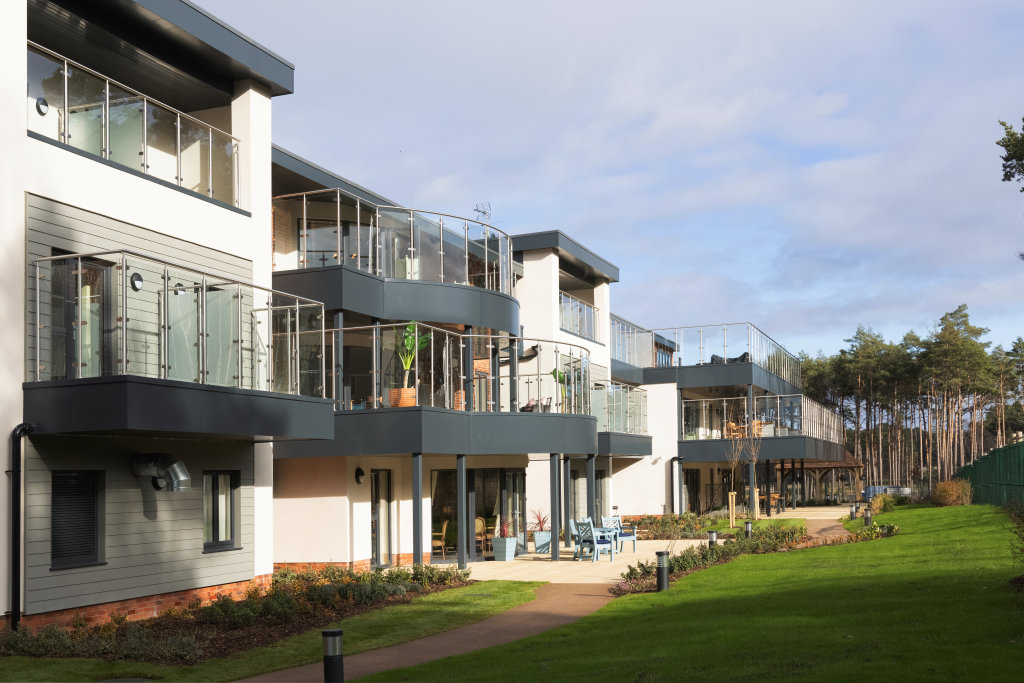
Care Home Builders builds dementia care homes that support the delivery of good care through the built environment. All layouts, surfaces, lighting fixtures, doors, and garden paths are selected based upon considerations regarding cognitive function.

care-home-builders-uk.jpg

What we Build

Purpose-Built Dementia Care Homes

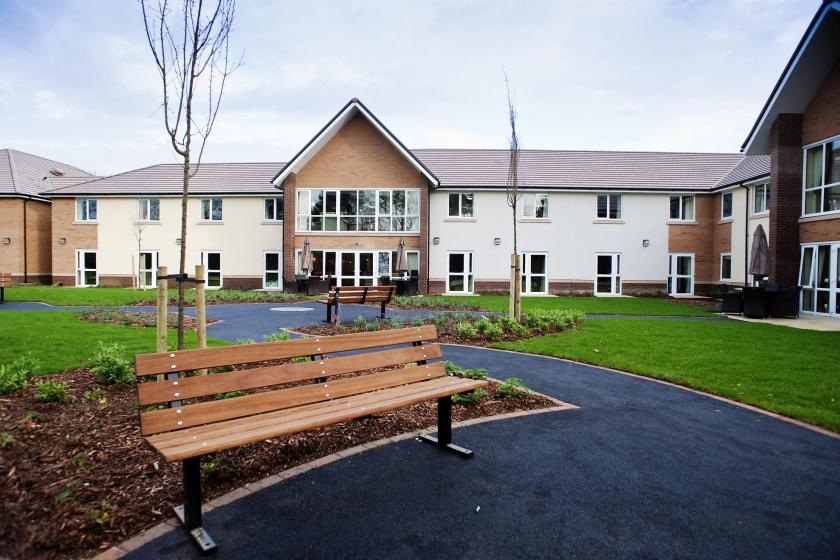
Purpose-built dementia care homes provide long-term care environments that have been specifically designed to accommodate individuals who suffer from cognitive decline. The typical size of purpose-built units will range from 40 to 80 beds, and each resident will typically live in their own household of approximately 6 to 12 people. All elements of a purpose-built unit are designed to be dementia-friendly, including lighting, flooring, walls, ceilings, windows, doorways, hallways, stairwells, and balconies, as well as being equipped with appropriate security systems. In addition, all gardens are also designed to provide a safe and accessible outdoor space.
To achieve the best possible outcomes in caring for individuals who experience cognitive decline, it is essential to establish a long-term care environment designed with these individuals in mind. As such, this type of environment represents the ideal model of care.

Dementia Wings & Extensions

When creating a dementia care wing or extension within an existing care home, it is crucial to develop a 'dementia specific' design that provides a secure, self-contained area with access points, circulation paths, and social areas. Furthermore, it is imperative to integrate this new section with the original care home without disrupting the daily lives of those currently residing there.
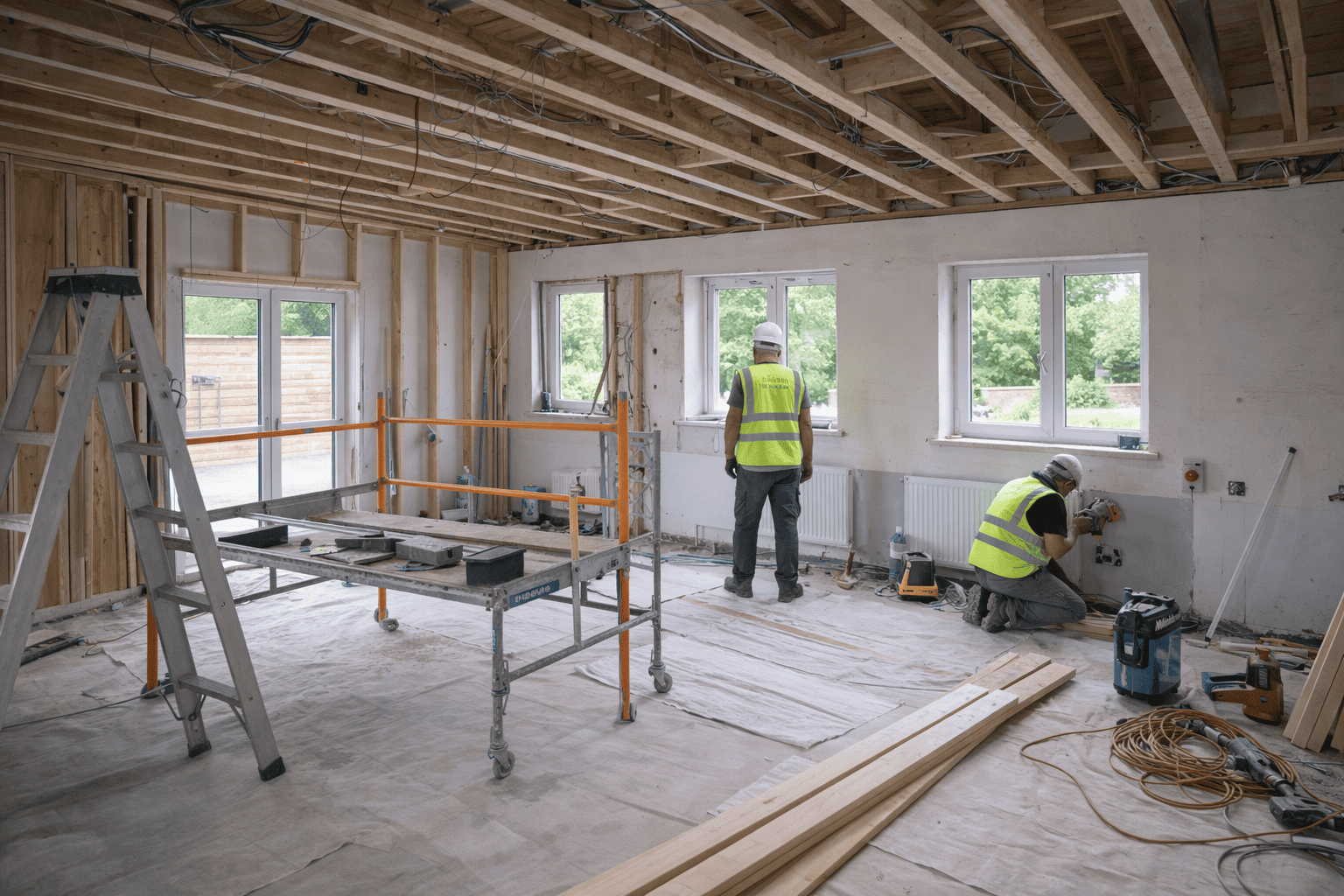
In addition to integrating the new section into the existing care home, we recognise that the physical act of developing a dementia-specific design presents numerous challenges. These include ensuring that the secure doors do not compromise the safety of other residents; ensuring that the fire escape strategy does not create additional risks for the residents or staff; ensuring that adequate acoustic separation exists to minimize disruption to both staff and residents; identifying suitable locations for surfaces and materials used in the construction process; and finally selecting materials and finishes that allow us to provide a clean and hygienic environment for the residents. Furthermore, we must ensure that we maintain fire compartmentation throughout the project and complete our work while continuing to operate the care home as normal. To address these issues, we divide our project timeline into phases and take measures to minimise disruptions from dust, noise, and restricted access.

Dementia Friendly Refurbishments & Conversions

As part of a larger refurbishment program or as a standalone project, it may be necessary to convert or upgrade an existing care home to reflect current dementia-friendly design principles. At one end of this spectrum are relatively minor enhancements such as improving signage and way-finding, upgrading lighting levels and/or styles and redesigning the garden areas. At the other extreme are major internal reconfigurations that would introduce household-style living arrangements, enhance visual lines of sight, and/or create new communal spaces.
For example, we have successfully completed large-scale projects to convert historic Victorian buildings into modern dementia care facilities. These types of projects included restoring many of the original period features; providing waterproof solutions for basement plant room spaces; installing lifts and specialised bathroom fixtures/equipment; constructing extensive additions to the facility; and completing all aspects of the project while adhering to regulatory compliance requirements set forth by CQC (Care Quality Commission) and DDA (Disability Discrimination Act). Each conversion is unique in terms of architectural style, condition and layout. Additionally, each conversion presents significant structural challenges due to age and condition. However, when executed properly, these conversions can yield excellent results.

Sensory Rooms & Specialised Areas

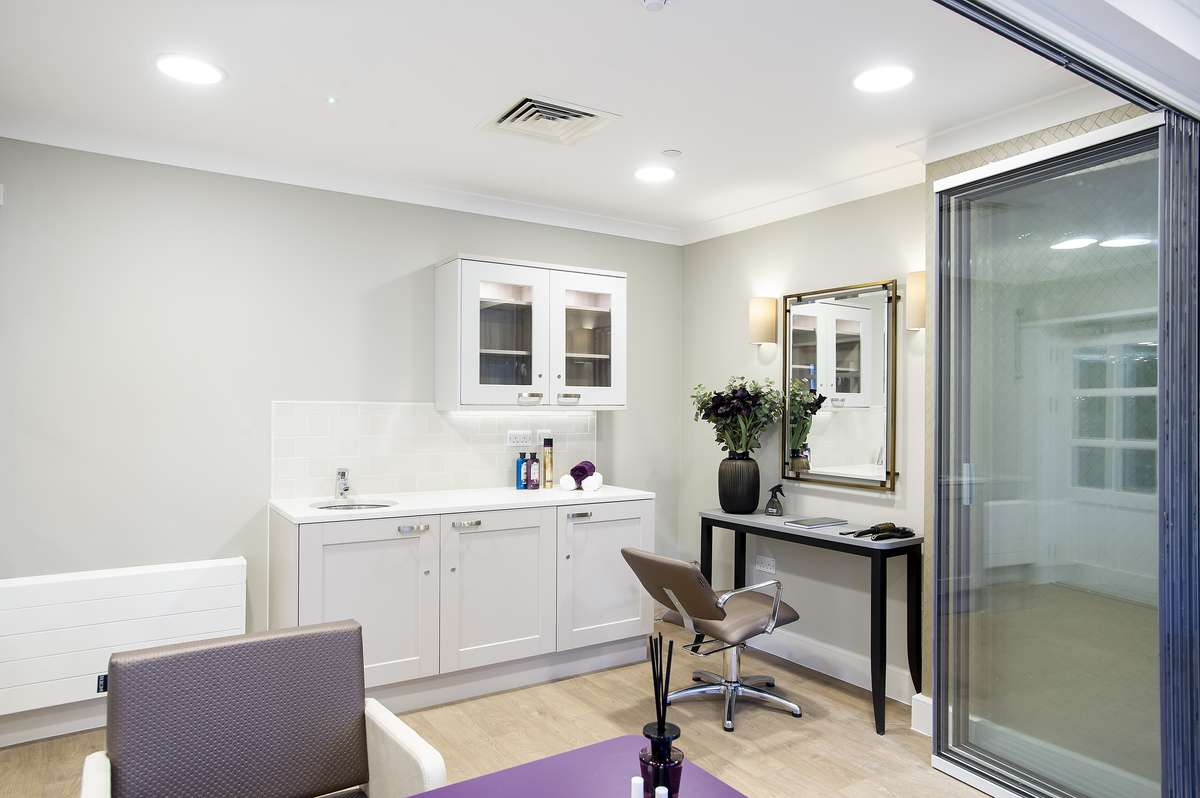
A sensory room is a specially designed room within a care home that utilises various stimuli, such as light, sound, touch, and smell, to promote relaxation and stimulation for individuals experiencing dementia. Similarly, reminiscence rooms contain furniture and items reflective of historical periods and can help stimulate memories for individuals experiencing cognitive decline. An activity kitchen allows residents to participate in meal preparation activities, which stimulates cognition and reduces stress-related behaviours. A cinema room or music room may offer a quiet space for residents to relax and engage with familiar media forms. Lastly, multi-sensory gardens incorporate multiple senses through nature-based experiences (e.g., sights, sounds, smells), which can stimulate memory recall and encourage social interaction among residents.
Sensory rooms and similar specialised spaces are not optional amenities - rather, they represent clinically validated interventions intended to reduce agitation behaviours among residents; enhance communication opportunities; and otherwise positively impact residents' quality of life.
Contact Us

care-home-uk2.jpg

How We Work on Dementia Care Home Projects

Dementia care home construction requires greater design and construction processes than standard care home builds. These are some of our ways to achieve this:
• Early Involvement: Our best dementia care homes have been built by contractors who were engaged early in the project (feasibility). We can assist with site assessments, provide input on the care home's layout, and identify potential issues that may arise as expenses before they become so.
• Operator-Informed Design: We collaborate with your Care Team to establish their practices regarding delivering care each and every day. What sight lines do staff require? Where do medication rounds take place? Where do residents travel throughout the building? This information will directly influence the overall layout of the care home.
• Evidence-Based Specification: Every material selected, every finish applied, every lighting fixture installed is done based upon what the evidence shows works for individuals with dementia. 
• Phased Delivery: For any extension or renovation projects, we coordinate the workflow so that there is no time when residents are placed at risk, and the entire care home remains functional during the duration of the project. Through the use of rigid partitioning systems, HEPA Dust Extraction Systems, controlled access points, and daily meetings with the care teams, we ensure that all necessary components of the project are completed without disrupting normal operations within the care home.
• CQC Ready Hand Over: When we deliver a new care home, we are providing you with a building that is designed to be inspected by the CQC. The surfaces we select meet infection control standards. All fire compartmentation is fully documented. All lighting fixtures installed have been properly commissioned and tested. Finally, we plant and grow gardens adjacent to each unit of the care home.

care-home-construction-company1.jpg

What Families and Operators Are Looking For

Families looking to place a loved one into a dementia care facility today are far better educated than they were twenty years ago. Many families will do extensive research online and physically visit multiple facilities before deciding which facility to choose. Operators who are successfully placing residents in these types of facilities and receiving “Outstanding” ratings from CQC are those who have made significant investments in creating dementia-specific environments within their facilities and who also offer care services using person-centred care models that support the new buildings.
These types of successful dementia care facilities:
• Have been designed so that the residents can move safely throughout the facility without assistance;
• Offer stimuli through all five senses (hearing, sight, touch, smell) and provide quiet areas for the residents to retreat to when needed;
• Have layouts that allow staff to work efficiently and effectively due to having clear lines of sight and workflow patterns that are based upon the caregiving model;
• Have outdoor space that is safe, accessible and truly therapeutic (i.e., it is not simply a patch of grass behind a locked door);
• Fit the definition of a home and not an institutional setting; and
• Contain adaptable lighting systems that assist in providing light at various times during the day and assist the caregivers in supporting each resident's unique needs.

Creating a dementia care home such as this requires selecting a contractor with experience in dementia-specific design.

Care-Home-construction-uk2.jpg

Build a Dementia Care Home That Makes a Difference

Building a dementia care home is among the toughest projects to undertake. There are tighter tolerances, a more complicated specification, and far greater negative repercussions if mistakes occur than with other types of projects. However, when completed correctly, there is no better type of building to create. It is a building where individuals with dementia have increased independence, maintain their dignity, experience reduced stress levels, receive care that is delivered more easily, and families can have confidence that they have placed their family member in the best possible environment.
We have created purpose-built dementia care facilities, dementia wings in existing care homes, converted traditional houses into specialist dementia environments, and renovated older buildings to meet current design standards for dementia. We serve private operators, national care providers, housing associations, investors and builders.
If you are preparing a dementia care facility development, whether it is a new build, conversion, expansion, or renovation, speak with us as soon as you can. Your choices on the design and construction of your dementia care facility today will determine the quality of the care provided for decades.

Contact Our Team

Why Dementia Care Home Construction Is a Specialist Discipline

What you cannot do is take an ordinary care home and simply install coloured handrails to make it dementia-friendly. People experiencing dementia have their way of experiencing the world around them (space, light, sound, colour, patterns and movement) changed. Therefore, the built environment must support these changes rather than hinder them.
Our understanding of dementia friendly design in health and social care settings is based on the Department of Health's HBN 08-02 document. This forms the foundation for all projects we undertake, using it as the baseline.  Below are the elements that make up dementia construction compared to general care home construction.

Layout and Orientation
Create loop-corridor layouts with a continuous path leading to a common area with no dead ends. Create a direct line of sight from each bedroom door to the Dining Room/Lounge. Colour-code zones in your building to help your residents understand their surroundings. Add memory boxes to be located outside each bedroom. Create toilet doors with distinct visual characteristics. Position kitchens/dining areas so they can see/smell the activity (cooking, people eating/conversing) in those areas.

Lighting
Provide 300 lumens per square meter in living spaces and 500-600 lumens per square meter in activity spaces. Provide even illumination to prevent shadowy areas on the floor. Utilise circadian lighting systems, which provide cool colours/brighter lighting during the day and warm colours/softer lighting in the evenings. Use overhead lighting and avoid down-lighting. Ensure maximum amount of natural daylight is available by positioning windows correctly and using internal glazing. Provide consistent light levels across all threshold points in your building.

Colour, Contrast and Surface Specifications
Ensure strong tone contrast exists between walls/floors/doors/fixtures. Only use matte-finish flooring products and avoid shiny finishes. Avoid any busy patterns on floor/wall/soft-furnishings. Ensure flooring colour remains consistent across all threshold points in your building so transitions do not appear as "steps". Use domestic-type fixtures that resemble residential-type fixtures. Utilise antimicrobial/non-porous surface materials in wet areas that remain warm to the touch.

Sound/Acoustic Design
Utilise acoustic absorption in ceiling/walls/flooring. Design small lounges that accommodate 6-8 residents rather than larger open-concept lounge spaces. Incorporate quiet retreats into your design. Use soft-close doors, rubber bumper kits on kitchen equipment and separate your service areas from resident areas acoustically. Place isolated laundry equipment in designated areas to minimise noise/vibration.

Security Without Confinement
Design exit doors to blend with adjacent wall surfaces through painting/mural treatment. Utilise wander management technology that provides silent alerts to staff members. Install discreet coded keypads. Design secure outdoor spaces with walkways that continuously lead back to the building. Use natural perimeter boundaries, such as plantings/hedges/garden walls, rather than institutional-style fencing.

Dementia Gardens & Therapeutic Outdoor Areas
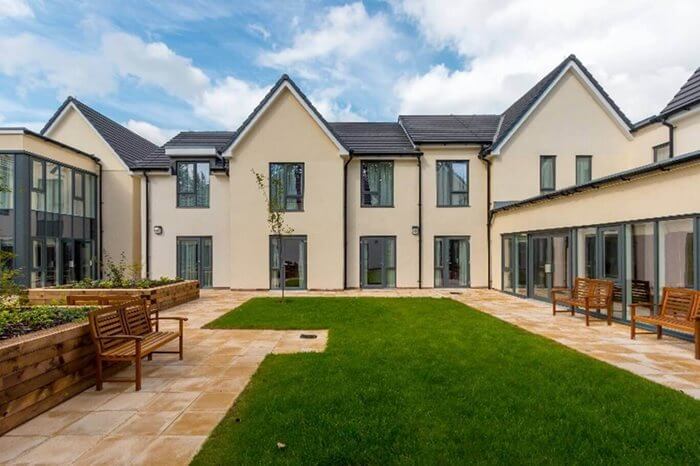
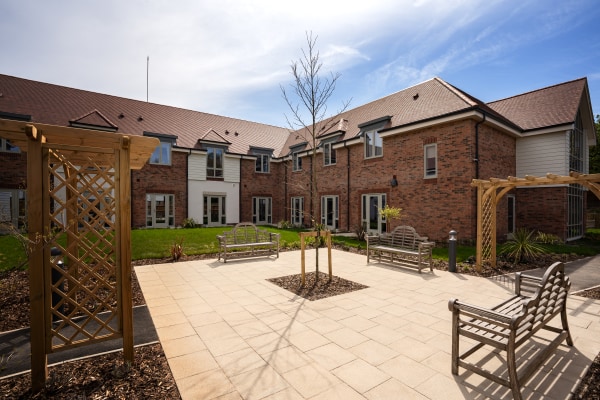
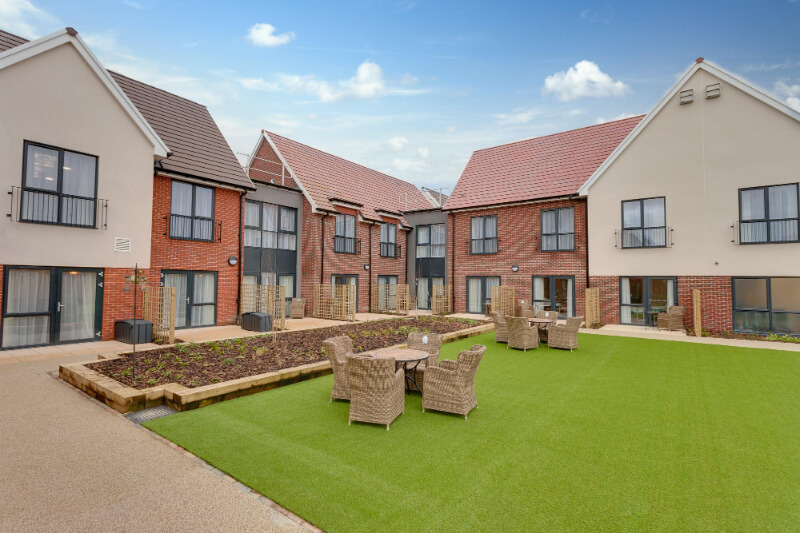
Design circular walkways with no dead ends. Design raised planting beds at wheelchair level to enhance sensory experience. Provide sheltered seating options with both sunlight/shade. Construct flat/non-slip surface pathways throughout your dementia gardens/outdoor spaces. Conceal security boundary lines behind vegetation. Include points of interest along pathways (bird feeding stations/water features/potting sheds/reminiscence elements). Position dementia gardens/thematic outdoor spaces near public/common areas within your building, so residents are encouraged to use these therapeutic spaces

Read More

care-home-construction-company-uk.jpg

Dementia Gardens and Therapeutic Outdoor Spaces

The greatest amount of evidence-based research supports using "nature" as an intervention in the care of people with dementia. This includes using natural lighting, providing access to clean air and greenery, and promoting regular physical exercise. However, the outdoor area needs to be designed for the users (i.e., the residents) rather than simply to create a landscape that looks appealing in a brochure.

What We Design & Build:

1. Circulating walkways that lead back to the building — No dead ends; no gates to go through; no need to decide which direction to head.
2. Raised plant beddings at wheelchair accessible height for residents to experience sensory stimulation — Herbs; Textured plants; Fragrant flowers that residents can touch, smell and interact with.
3. Seating areas under shelter that provide some shade and sunlight — Canopy over the bench; pergola-style structures; south-facing locations with wind breaks.
4. Flat, smooth surfaces with slight inclines — No stairs; no gravel; no loose materials; no dramatic changes in surface material.
5. Secure borders — Not necessarily visually apparent as such; dense planting; natural screens; low walls; fencing obscured by plants.
6. Points of interest along the circulating route — Bird feeder; water feature; potting shed; greenhouse; vintage mailbox; reminiscence items (e.g. beach hut type structure) etc...
7. Visible from common spaces within the building — If residents can view the garden through large windows, they are more likely to visit/use the garden.
8. Sensory planting schemes to stimulate each of the five senses — Lavender; rosemary; jasmine; ornamental grasses; plants with interesting textures.

care-home-construction-uk5.jpg

Small-Scale Living: The Cluster Model

The traditional layout of care homes, such as long hallways, a single large dining area, and a single large lounge, is generally unsuccessful in providing effective support for individuals who have dementia. There is substantial evidence that smaller, more domestic-scale living arrangements result in better health outcomes for those who experience dementia. This includes less confusion, fewer episodes of agitation, fewer incidents and better Care Quality Commission (CQC) ratings.
Our dementia care homes are designed using a cluster or household model:
• Small self-contained units of six to twelve bedrooms that include a common lounge/dining area/kitchenette
• Each self-contained unit will provide residents with a comfortable and domestic feeling similar to that experienced by residents in their own households, as opposed to a section of a larger institutional setting
• Residents will be able to live, dine, socialise, and enjoy their leisure activities within their individual household and therefore reduce feelings of over-stimulation and make it easier for them to understand where they are and what needs to be done
• Affordable locations are provided throughout the site for the staff to position themselves for clear sightlines of the entire unit while not having the clinical look/feel associated with hospital-style nursing stations
• Communal areas (such as café, activity room, hair salon, treatment rooms and garden) can be accessed from each household; however, they do not have to dominate daily life
• All bedrooms will face out towards the view and garden; all social areas will open up into an internal courtyard and/or terraces

More money per bed than traditional corridor-based layouts. However, there is considerable evidence of cost savings through the delivery of high-quality dementia-specific care, including enhanced CQC ratings, increased occupancy levels, lower rates of incidents/complaints, increased staff retention, and the opportunity to charge premiums due to the unique nature of dementia-specific care.

FAQ

What is HBN 08-02 and do we have to follow it?

-

The Department of Health's 'HBN 08-02 Dementia-Friendly Environments' is a guidance document outlining best practices for creating dementia-friendly health and social care settings. This document outlines evidence-based design elements, including layout, signage and navigation, lighting, colour, outdoor spaces, and sensory aspects. Although HBN 08-02 is not mandatory, it has become the standard referenced by CQC Inspectors, Planning Officers, Architects and other professionals when assessing new build projects. Following HBN 08-02, which requires all dementia care homes to be built or refurbished, will also provide owners with improved legal standing while creating an environment that functions better for their residents.

How much more does a dementia care home cost to build?

-

Specialised homes for Dementia will usually cost 10-20% more than a typical Residential Care Home with the same number of beds. This is due to the smaller household units within these facilities (additional walls, kitchenettes & bathroom facilities for residents) as well as other features such as specialised lighting systems, Acoustic treatments, Enhanced Security/Wander Management Systems, Sensory Garden Design & Higher specification finishes. For a 60 Bed facility, this could be in addition to the original build costs, which would range from £8-£12 million, for a total of £1-£2 million. These types of facilities also charge higher rates for their services, have stronger occupancy levels & are awarded higher ratings by the CQC. The added costs of building a Dementia-specific facility will ultimately pay off.

Can you add a dementia unit to an existing care home?

-

Yes. A Dementia Unit can be built into an existing Care Facility, which is probably the most common type of project that we undertake. To do this, we design a fully secure, self-contained unit with its own entrance/exit, internal circulation route, social areas, and garden, and link it to the existing building. The main construction issues with this approach include how to effectively link both buildings through the interface (the secure door, etc.), ensure effective Fire Compartmentation and Acoustic Separation, and also ensure continuity in the operation of the home whilst construction works take place. We therefore stage the works and implement measures to prevent dust and noise from affecting normal operations, as well as ensuring safe access for residents at all times.

Can you convert an existing building into a dementia care home?

-

Yes. We have carried out conversions on various types of older buildings, such as Victorian houses, older hotels and large residential blocks, all of which are now being used as dementia care homes. Such conversion work involves significant changes to the building structure, including alterations to access and other structural issues, installing lift(s) and additional specialist equipment, implementing fire safety measures and generally adding on a sizeable extension. Converting an existing building into a dementia care home is more complicated than constructing a new one. However, the character of an old building can be particularly well-suited to supporting dementia care. Many dementia residents will find the familiarity of a domestic scale, together with many period features and established garden spaces, beneficial in their transition from their own home.

What makes a garden dementia-friendly?

-

Raised plant beds that stimulate the senses to encourage users to interact with the plants. Circular pathways (with no dead ends) for a sense of security and visual comfort, and sheltered seating areas for residents to rest in safety and comfort. Flat, slip-free surfaces enable ease of movement throughout the garden. Boundaries can be created using walls or screens, which are then hidden by foliage. Points of interest at regular intervals throughout the pathway allow the user to focus on their journey. Users must have clear views of the garden from all communal spaces within the building.

What lighting works best in a dementia care home?

-

Lighting in a Dementia Care Home should be higher in intensity than in other types of care homes (living area: 300 lux; activity/therapy area: 500-600 lux), and distributed evenly and consistently throughout all areas, including thresholds to prevent shadowing. Additionally, we use "circadian" or "daylight simulating" lighting that mimics the natural day, providing cool tones in the morning and afternoon and warm tones in the late evening. Circadian lighting helps support normal sleep-wake cycles and reduce sundowning.

Do CQC inspectors specifically assess dementia design?

-

Yes. CQC will assess your home's physical environment in relation to two main areas: "safe" & "responsive". When assessing those who provide dementia care, they will be looking at the provision of clear wayfinding, natural light levels and colour contrast, easy access to outdoor spaces, security arrangements to prevent elopement, and support the resident's ability to maintain their own sense of orientation, independence and self-esteem.
A good dementia environment is likely to result in a "good" or "outstanding" overall rating. Conversely, if you have a poorly designed dementia environment, it may still lead to a "Requires Improvement" rating even with highly competent staff.

How long does it take to build a dementia care home?

-

The design and construction of a new 60-80-bed dementia care home is likely to take 18-24 months once construction has begun on site. It will also take an additional 12-18 months to complete all pre-construction work, including designing the home, obtaining required approvals, and procuring materials. If you have an existing care home that needs to be extended to provide dementia care beds, this is generally quicker, with timescales ranging from 6 to 12 months, depending on the size of the extension. When refurbishing an existing care home, there can be considerable variation in terms of how long the process takes. For example, if you want to undertake one specific targeted piece of refurbishment, it may take four weeks. However, if you wish to completely reconfigure the interior of your home internally whilst still allowing residents to remain within their current bedrooms (which would require a significant amount of time), then the refurbishment could take up to 12-18 months and may need to be undertaken over multiple phases while the majority of the home remains operational.

Do you work across the UK?

-

We work across London, the South East, the Midlands, the South West, and increasingly into other regions for substantial projects. We have experience delivering dementia care homes in urban, suburban, and rural settings. If you have a project in mind, get in touch, and we’ll confirm whether we can support it.

Let’s get
started

Would you like to learn more about how we can help you with your next residential or commercial project, fill in your details and a member of our team will be in touch.

This site is protected by reCAPTCHA and the Google Privacy Policy and Terms of Service apply.

Latest From the Blog

care-home-builders-berkshire1.png
Why Dementia Care Home Construction Is a Specialist Discipline

It is NOT possible to take an ordinary care home, paint some coloured railings, and say, "This place is dementia friendly." Dementia affects how individuals perceive space, light, colour, sound, pattern, and movement. To be successful, the environment must support these changes rather than contradicting them. Here’s what makes dementi..

Read Full Story »
care-home-extension-kent3.png
Top 10 Mistakes in Care Home Refurbishment Projects

Refurbishing a care home is harder than it appears. Residents remain living within the home during refurbishment. Care workers continue to provide their services; CQC inspectors could walk into the home tomorrow. All decisions made by the home will affect its ability to ensure the health, well-being, and dignity of its residents, maintain regula..

Read Full Story »