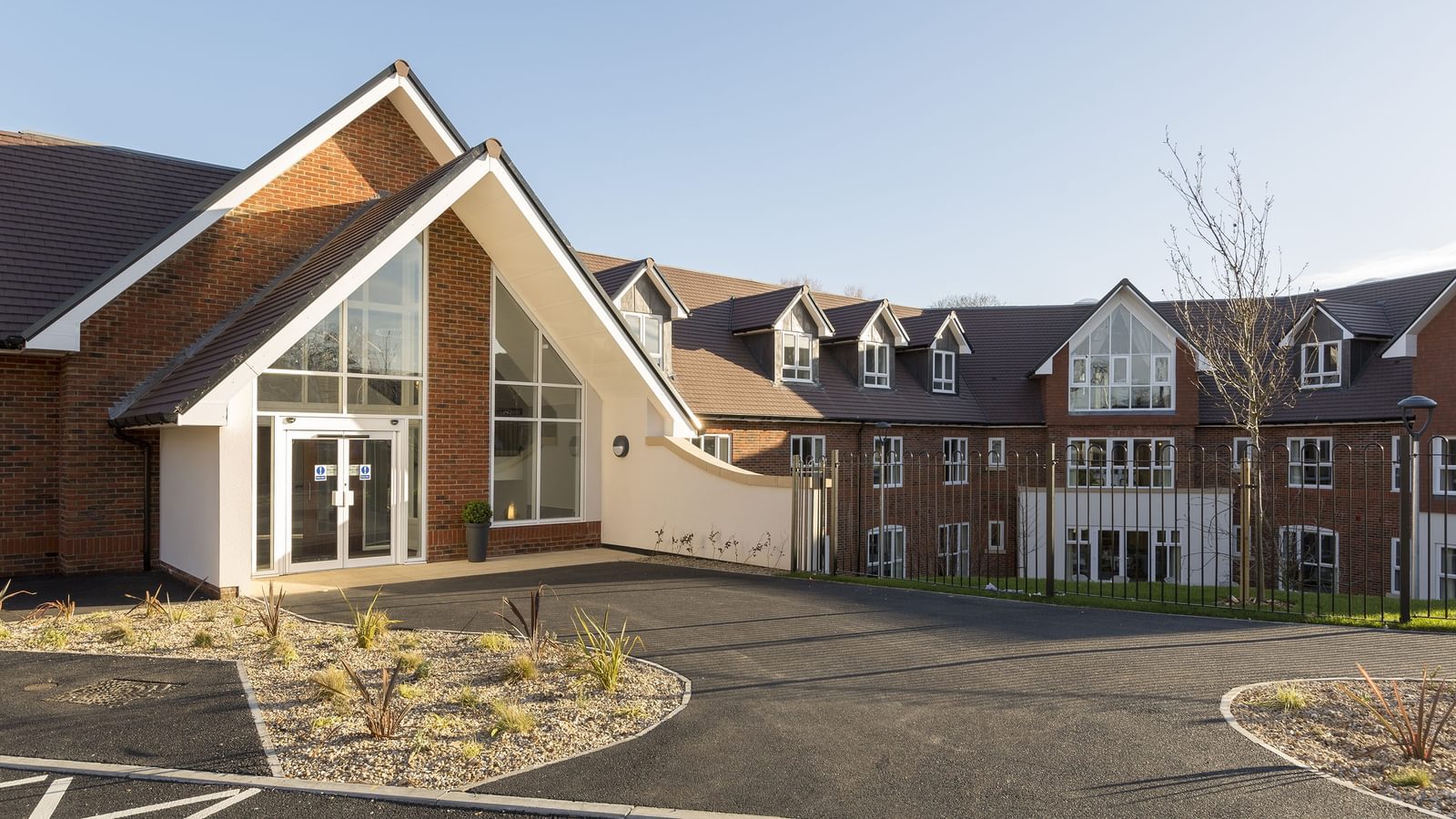
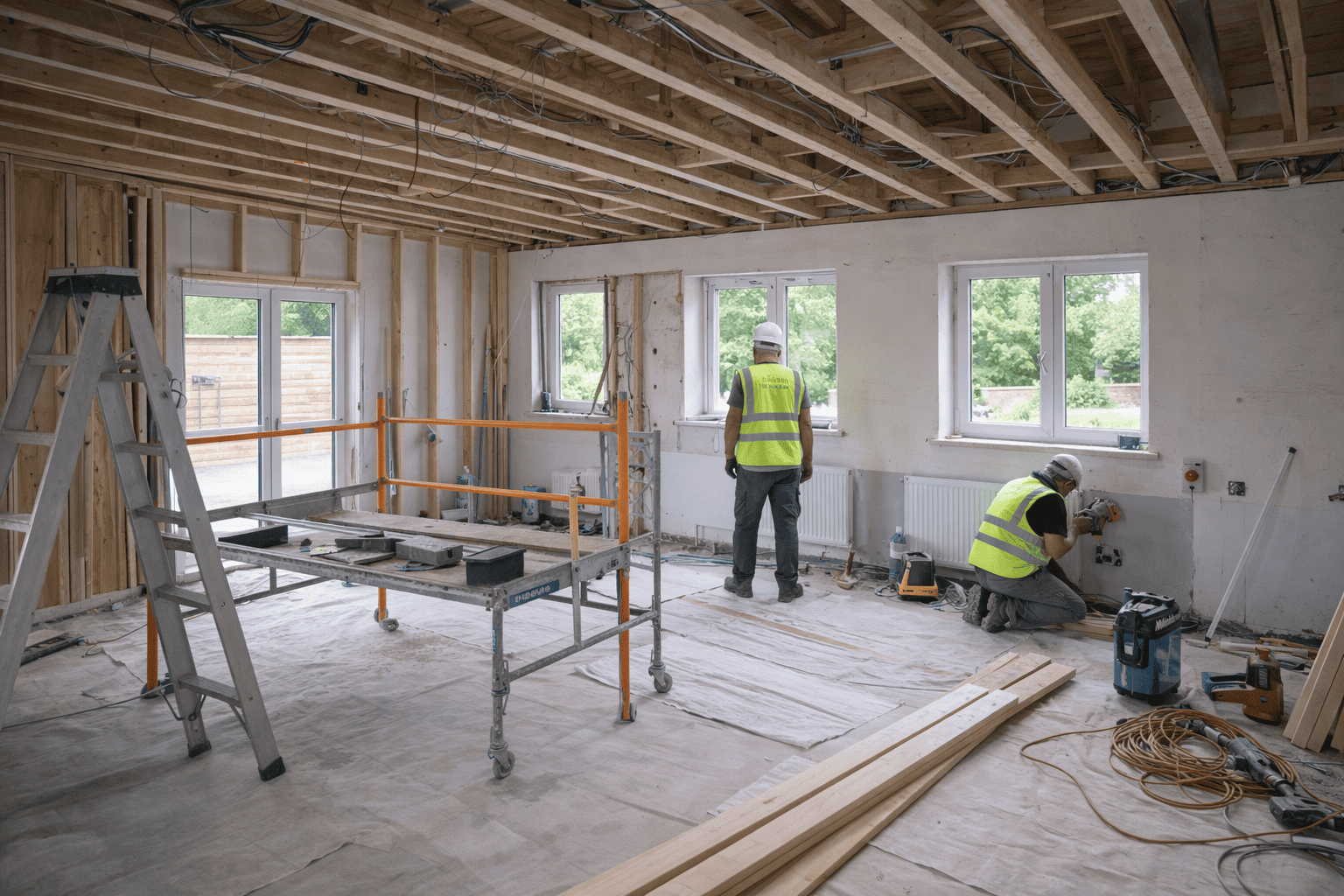
Care Home Builders Oxfordshire

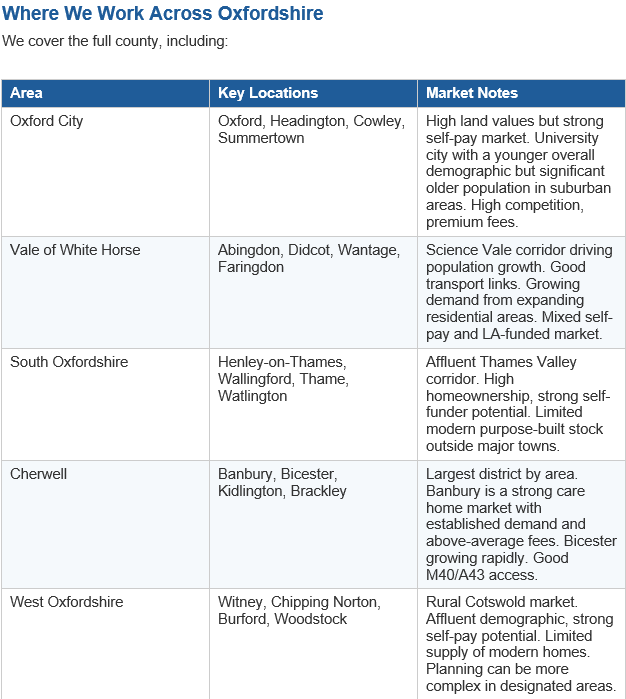
We design, build and rebuild (refurbish) Care Homes throughout Oxfordshire, from New Developments on the outskirts of Oxford and Banbury to Refurbishment Projects in Witney, Didcot & other Market Towns within the Cotswolds. As a result of working solely in the Care Sector, our decisions regarding layout and compliance, through to M&E Specification and Finishes, are based on how Care Homes function. Oxfordshire is currently one of the strongest markets for developing Care Homes in England. The location of Oxfordshire provides an ideal combination, given its position within the South East Region, where self-funding rates are at their highest level nationally; Weekly Fees exceed the National Average, and demand is increasing at a rate greater than the amount of additional Stock being provided.

Care Home Builders Oxfordshire

What we do in Oxfordshire 

At Care Home Builders, we provide a comprehensive design-and-build service for care operators, developers and investors across Oxfordshire. This includes:

New Build Care Homes
Our services include providing a purpose-built care home project from planning to CQC registration, ready for handover. Typically, these projects will range from 40-plus beds to 80-plus beds. We undertake the entire process, including the architectural aspects of the project (if required), structural engineering, HTM/HBN compliance, mechanical/electrical (M&E) design, fit-out and commissioning, all under one contract.

There is a high concentration of new-build care homes in London and the South East of the UK. However, due to lower land costs compared to Central London, improved planning relationships in some districts, and a self-funding market able to pay higher weekly charges per person than elsewhere in the country, there are opportunities for new-build developments in Oxfordshire.

Care Home Refurbishment
Oxfordshire contains a number of older care homes (typically those developed during the 1980s and early 1990s) that are now experiencing increased pressure on compliance, ageing M&E infrastructure, and outdated layouts that no longer meet current CQC expectations or dementia design guidelines. Many have received a ‘Requires Improvement’ rating at their last inspection, which may be having an effect on the home’s occupancy levels and asset value.
We undertake full and part refurbishments on operational sites; this includes installing wet rooms, upgrading bedrooms, designing new communal spaces, improving fire safety systems and replacing existing M&E systems. Where possible, our refurbishment activities are carried out in phases so they do not interfere with the day-to-day running of care services for residents.

Care Home Extensions
An extension to an existing home is usually the most efficient way to increase the number of registered beds. As such, the site has been acquired, the majority of the back-of-house infrastructure is already present, and therefore the client is not faced with the expense of purchasing additional land. Therefore, extending an existing home will generally yield a faster, more capital-efficient solution than developing a new home for clients who currently operate a facility in Oxfordshire.
We provide extension designs and construction services that integrate with your existing structure and ensure compliance with CQC capacity requirements and Part M access standards. We also phase our construction work to allow your home to continue operating normally.

Dementia and Later Living
The demand for specific dementia provisions across Oxfordshire is expected to increase in accordance with the growth of the county’s elderly population. We design and construct dementia-specific units and later living facilities using DSDC design principles:
Clear Way Finding,
Appropriate Contrast & Lighting,
Safe Access To Outdoor Spaces,
Design Layouts, Support Staff Sight Lines, and Minimise Resident Agitation.
Ensuring that dementia design is correct benefits both residents and CQC inspectors. It can enhance your ability to secure NHS-funded dementia nursing placements and attract private-paying residents.
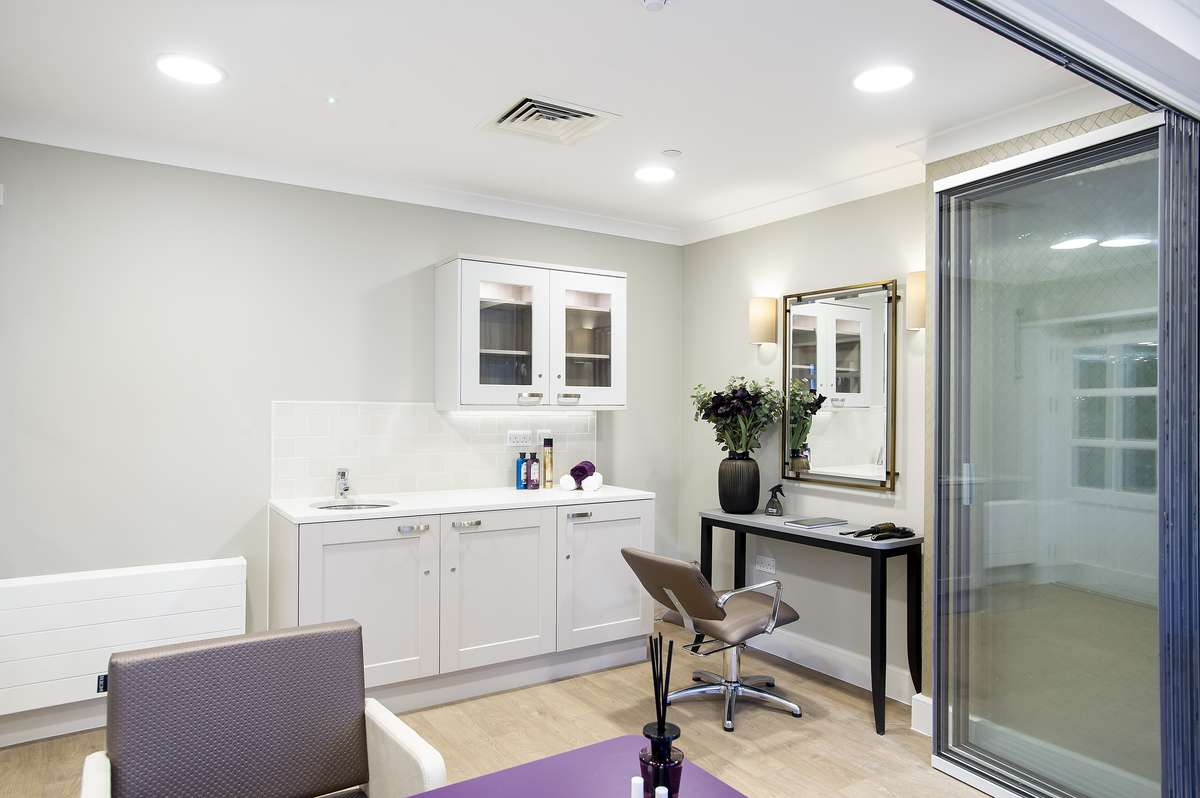
care-home-uk2.jpg

The Oxfordshire Care Market: What the Data Shows

South east has highest rate of self funding care home residents in England.

The South East area has the largest percentage of self-funders among care home residents of any region in England, at 47.5%, well over the national average of 37%. Oxfordshire is in the middle of this market. High levels of homeownership, above-average property values & high local wage income are all supporting a strong & stable private pay care market.
This will have an impact on development economics. Self-funders pay much more than council-funded rates, typically 20-30% more. This provides better revenue per bed & allows for quicker occupancy to economic level. If you were building a new 60-80-bed facility with a primarily self-funded or mixed-funding business model, Oxfordshire is one of the best markets available (outside London) in which to do so.

Weekly care home fees in Oxfordshire are well above the national average
Weekly care home fees in Banbury are approx. £1,542, while the national average for residential care is roughly £1,298. In areas like Oxford and other affluent market towns, such as South Oxfordshire and the Vale of White Horse, weekly fees could be even higher depending on where your facility is located and who your target client is. Fee increases nationally are rising; self-funded care home fees increased by 10% between December 2024 & December 2025. However, the Oxfordshire market is starting from an already elevated base and has many potential clients who would not need to switch to less expensive options to afford those increases.

care-home-builders-oxfordshire.png

Supply Is Limited, and the concentration of Old Stock creates an Opening

Oxfordshire has 146 CQC-registered care homes with around 6,805 beds, a relatively tight market for a county of over 600,000 residents. New development in the South East has concentrated in London and the immediate commuter belt, leaving Oxfordshire towns like Witney, Abingdon, Bicester and the north Oxfordshire market towns comparatively under-supplied with modern, purpose-built stock.

Nationally, 70% of care homes are over 20 years old, and 27% were converted from other uses rather than purpose-built, meaning they often lack the design features modern care requires. In Oxfordshire, many homes in this category are trading on their location and reputation, but are increasingly vulnerable to newer purpose-built competition that can offer en-suite rooms, wet rooms, and modern dementia environments.

New Build Development Is Concentrated in the South — But Oxfordshire Is Ready

Savills reported that new care home delivery has primarily focused on private-pay schemes in London and the South, where development economics are more viable. Investment volumes in UK healthcare real estate reached £1.5 billion in H1 2025 alone, 60% higher than the full-year 2023 figure. That capital is looking for sites, and Oxfordshire sits in the right geography to attract it.

The county offers a practical advantage over central London too: lower land costs, less planning congestion in many districts, and easier staff recruitment in towns with established workforces. For a developer or operator weighing up South East locations, Oxfordshire frequently offers better viability than an equivalent London site.

Hospital Discharge Demand Is a Consistent Pressure

Oxfordshire County Council's own strategy documentation highlights hospital discharge as an ongoing pressure on care capacity. The county's Home First model is designed to support independent living after hospital stays, but there will always be a significant cohort of people who need bed-based care. Homes with the right clinical infrastructure, nurse call, assisted bathrooms, and adequate communal space are consistently better placed to receive NHS discharge placements and secure that income stream alongside self-funded residents.

care-home-construction-uk3.jpg

How we work

The process from initial contact through to handover of the new facility is simple as follows:

First Phase: What occurs
1. First Contact - We will have an initial conversation regarding your project - we need to know such things as: site location, service type, number of beds, budget, time-scale. During the initial conversation, we will provide you with our honest assessment of what can be achieved (and what cannot) and advise on the current state of the planning process within your local authority area.

2. Feasibility/Initial Site Assessment
We will assess the potential of either a new build development or the redevelopment of an existing building - site viability, the local planning environment, estimated costs and timescale. At no point during the feasibility/initial site assessment phase are there any obligations that you must commit to.

3. Design / Planning - Our Health Care Architects will prepare layouts for your proposed development in accordance with all relevant CQC, HTM/HBN and Part M guidelines. We will also engage with Local Authorities prior to submitting a formal planning application and coordinate the preparation and submission of the same.

4. Build/Project Management
We will undertake and manage the entire construction process - structural works, mechanical/electrical services installation, fit out, etc., with one of our experienced project managers appointed to oversee the project and ensure it progresses in accordance with agreed-upon time-scales. Throughout the construction period, you will receive regular progress reports.

5. Hand Over / Commissioning
Upon completion of construction, we will deliver a fully functioning facility to you, ready for inspection by the CQC. Following the CQC registration of your new facility, we will continue to assist you as required until any identified snags are resolved.

FAQ

Is Oxfordshire genuinely a strong market for new care home development, or is it too competitive?

-

Oxfordshire has a robust care home development market. Competition is not as prevalent as many believe. While there are numerous operators in Oxford city and other larger towns, the majority of Oxfordshire remains largely underserved. Areas such as Witney, Bicester, Wantage and Faringdon have growing populations. As a result, there is little in the way of contemporary purpose-built care home provision. With one of the highest self-funding rates in England, average weekly fees and relatively low levels of new development across the County, this presents an opportunity for developers outside of the City.

What are the planning considerations specific to Oxfordshire?

-

Each District Council has its own planning characteristics. Cherwell and the Vale of White Horse have a relatively simple process for approving care home developments located on suitable plots. West Oxfordshire has designated the Cotswolds Area of Outstanding Natural Beauty (AONB) along much of its boundary. This can create challenges when developing care homes in terms of appearance, material choices, etc.; however, it can still be successfully navigated through early pre-application consultation. Oxford City has very few opportunities for new developments due to a lack of land. Regardless of which District you wish to develop in, we would strongly advise that you engage with the Local Authority Planning Department prior to submission to ensure that the best possible outcome is achieved. The entire planning process, including the submission of plans and liaison with local authorities, is part of our service offering.

We have an older care home in Oxfordshire that needs significant investment. Is it worth refurbishing rather than selling?

-

Whether renovation makes sense depends entirely on the condition of the building, the trajectory of your CQC ratings, and how far your post-refurbished valuation is from your current valuation. Many care homes in Oxfordshire, aged between 30 and 40 years old, are being sold below their true value. They carry a large amount of unaddressed deferred mechanical & electrical costs, non-compliant bathroom facilities and outdated floor plans that no longer provide efficient means of providing care. Renovations focused on upgrading wet rooms and communal spaces, overhauling mechanical and electrical systems, and improving dementia-related designs can increase both your CQC rating and occupied beds, and subsequently revenue. Additionally, renovations may reduce the price discount a prospective purchaser would request if you decide to sell. We would be happy to provide you with a detailed outline and associated costing after conducting an initial site visit.

Can you build on AONB or green belt land in Oxfordshire?

-

While difficult, construction on either type of land is not impossible. Applications for development on greenbelt land must demonstrate "very special circumstances" - an extremely high threshold to cross. Designing development schemes on AONB land must consider meeting landscape and visual impact testing criteria. Unless there is a valid reason for pursuing development on either type of land and you are prepared to accept a lengthy and complicated planning process, we would generally advise against attempting to develop on either. However, if you do have an AONB or greenbelt site, then it is essential that both the design quality and pre-planning discussions are outstanding from the outset.

How long does a new build typically take in Oxfordshire?

-

Between 18 and 30 months from obtaining planning consent until completion for a conventional purpose-built care home. Add 6 to 12 months to secure planning permission, depending on the complexity of the site or district. Many districts in Oxfordshire offer active pre-app services that can significantly shorten the overall duration, provided the applicant engages effectively with them. Wherever possible, we undertake design and planning activities simultaneously to minimise the time required to complete a project.

Let’s get
started

Would you like to learn more about how we can help you with your next residential or commercial project, fill in your details and a member of our team will be in touch.

This site is protected by reCAPTCHA and the Google Privacy Policy and Terms of Service apply.

Latest From the Blog

care-home-extension-kent2.png
How to Extend an Existing Care Home in the UK: Planning, Cost, and Process (2026)

  Most operators increase capacity by extending their existing care homes rather than building new ones. Last yea..

Read Full Story »
care-home-builders-kent2.png
Buying an Existing Care Home vs Building New: The Real Numbers

It's the question every care home investor and operator eventually faces. You've decided to enter the sector or to grow your portfolio. Now you have to choose: do you buy a care home that's already trading, or do you build one from the ground up? ..

Read Full Story »