Care Home Builders Worcestershire

We develop, expand, and modernize care homes throughout Worcestershire, including developments in Worcester, Kidderminster, and Redditch, and refurbishments in Malvern, Droitwich, Evesham, and other market towns across the County. As we have chosen to specialize exclusively in the Care Sector, our construction projects will be shaped solely by CQC compliance, HTM/HBN Standards, and the practicalities of operating a Care Home on a day-to-day basis.

Care Home Builders Worcestershire

Care Home Builders in Worcestershire 

The population of Worcestershire is currently higher than both the West Midlands & UK averages for those aged over 60, and as of March 2019, the ONS forecast growth in this demographic to be approximately 42% by 2040. In addition, it was estimated that the population aged 80 and over would continue to grow faster than all other age groups. Therefore, against the backdrop of such significant growth, there are currently only 177 CQC-registered care homes in a county with a population exceeding 610,000. The gap between predicted demand and existing supply is evident and continues to widen.

What we do in Worcestershire
In terms of Design & Build Services, we offer our services to all care operators, developers, and investors within the County of Worcestershire. As such, we cover the four key areas as follows:

care-home-uk2.jpg

New Build Care Homes
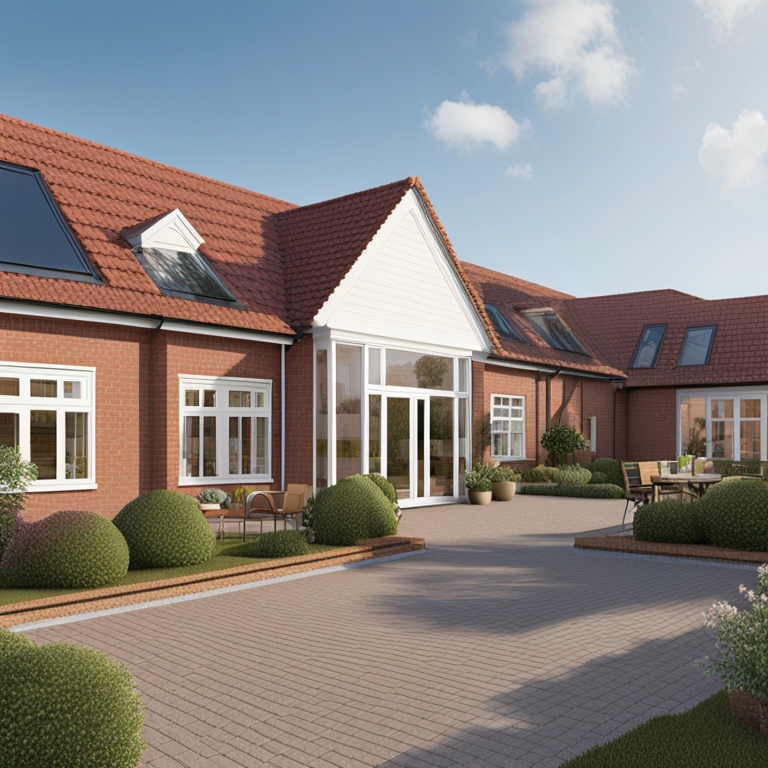
We provide a design and build service for the construction of care homes, specifically designed to address the needs of the future (care) user, from initial planning stages through to completion, ready for CQC Registration. Typically, projects will consist of 40 beds or more (up to 80+).
All aspects of the project are managed by us, including Health Architecture, Structural Engineering, Compliance with HTM/HBN regulations, M&E Design, Fit-Out, and Commissioning, all of which are covered under a single contract.

The Central Location of Worcestershire provides excellent transport links, and there is a relatively high proportion of self-funders across several District Council Areas. Furthermore, land prices in Worcestershire are significantly lower than those found in the South East. Additionally, the Demographic Profile of the Older Population in Worcestershire is likely to be higher than that of many other counties. This ultimately creates a 'demand' Case for new Purpose-Built Stock.

Refurbishment of Care Homes
Within Worcestershire, there are 177 Registered Care Homes as per CQC. These care homes vary in type, ranging from newly designed facilities to older buildings originally used for residential purposes, which, due to age and original design constraints, are now becoming obsolete. A large number of these care homes suffer from outdated M&E systems, which restrict modern wet room designs, and their bedroom and communal space layouts do not comply with either Modern Dementia Standards or current CQC Environmental Expectations.
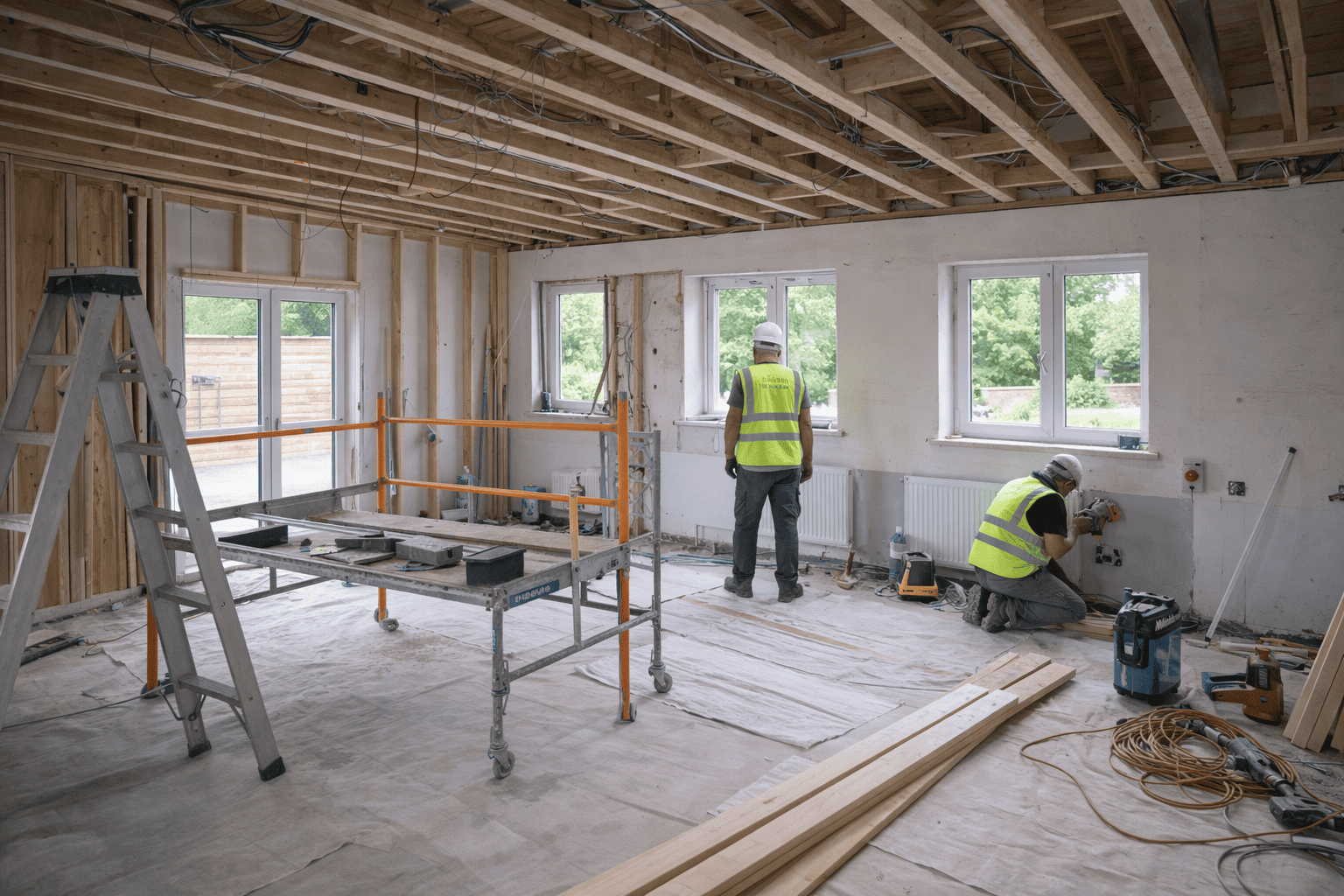
We undertake both Full and Partial Refurbishments of Live Occupied Sites, including but not limited to Wet Room Installations, Bedroom Upgrades, Communal Space Redesigns, Kitchen HACCP Upgrade works, Fire Safety Improvements and M&E Overhaul works. All Refurbishment Works are Phase Managed to Minimize Disruption to Residents and Staff.

By completing these Gaps, Operators can Reduce Regulatory Risk, improve CQC ratings, and Increase Asset Value. Whether refinancing, expanding, or selling, an operator should aim to increase their asset value.
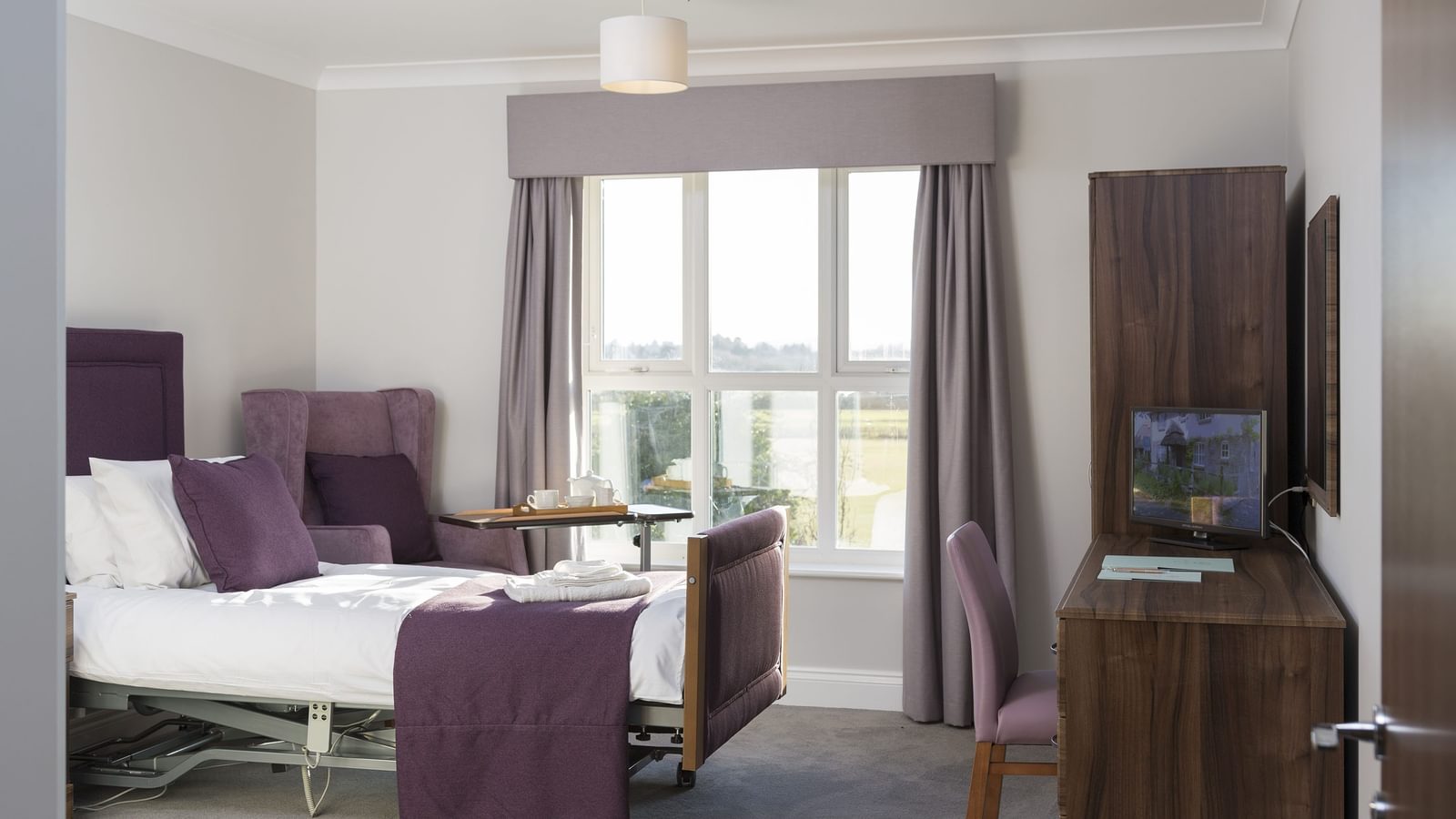
care-home-interior2.jpg
Extension of Existing Care Homes
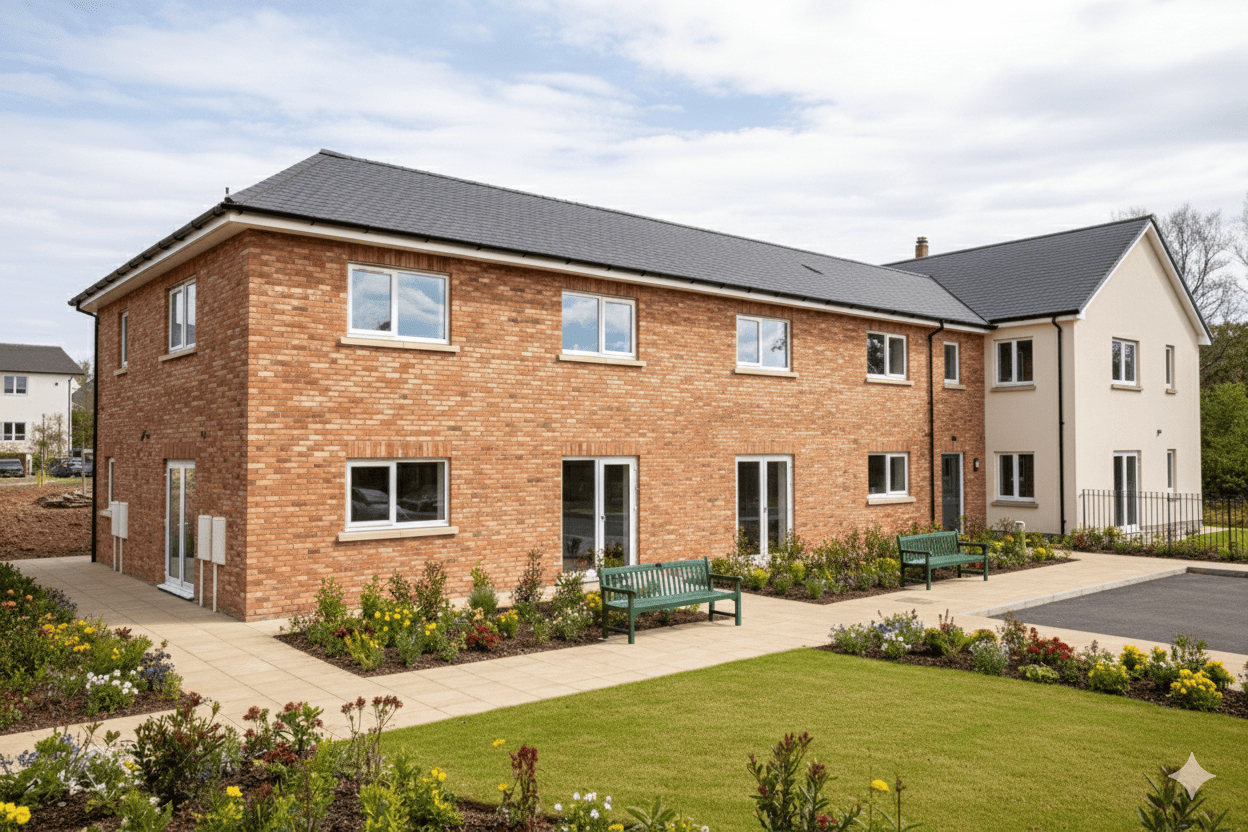
Operators who already have one or more sites in Worcestershire will usually find it to be the most capital-efficient way of increasing their registered bed capacity to extend their facilities, since the planning history is already in place, the back-of-house infrastructure costs have already been covered, and the local commissioners already have an established relationship with the operator.
We are carrying out the design and construction of extensions to existing buildings so that they satisfy the CQC capacity requirements and the Part M access standards, and are carried out in phases to ensure that the home continues to operate fully. Since there is a high concentration of older people in the Worcester catchment area and in the Wychavon and Malvern Hills districts, the extra bed capacity in well-established locations will be filled quickly.
Dementia and the later stages of life
Dementia places one of the greatest strains on the Adult Social Care Services in Worcestershire, since the County Council provides dementia services in all of the six district council areas and in the 80-plus age group (in which the rate of dementia is highest), this group is expected to grow at a faster rate than any other age group in the county until 2040.
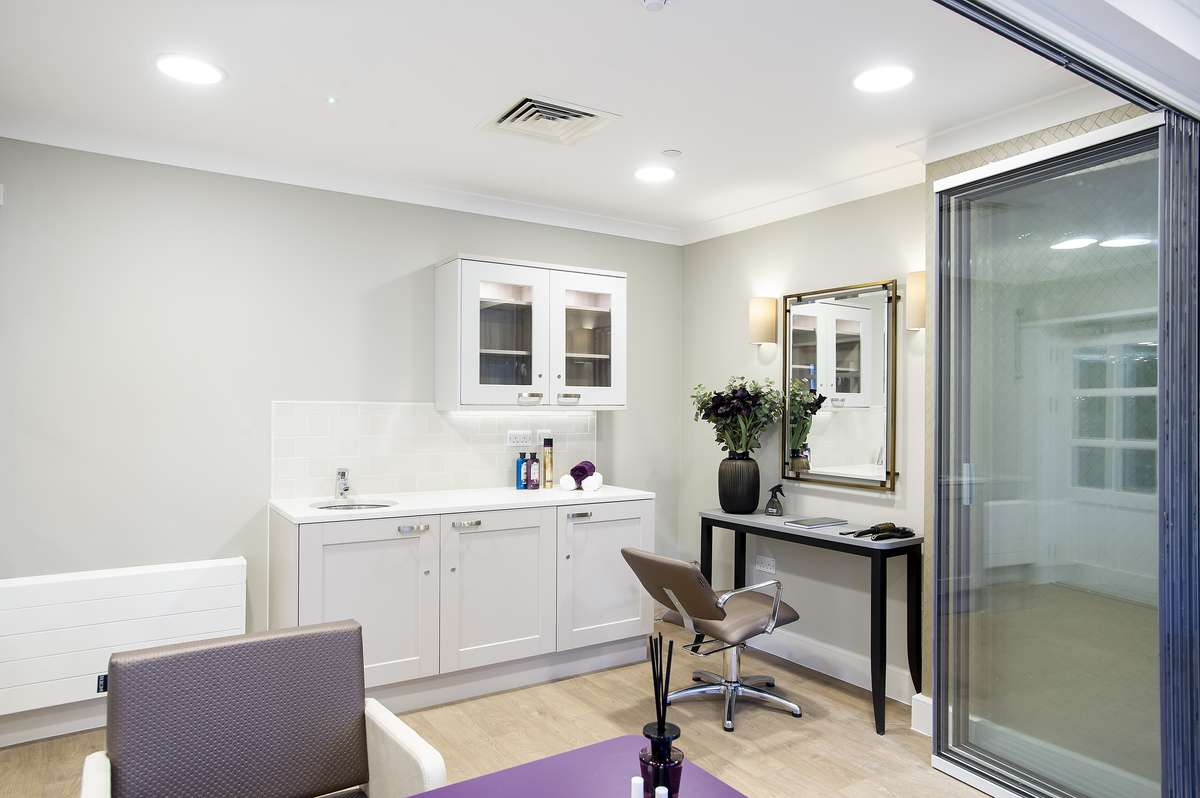
We create and construct Dementia Units and Later Living Facilities on the basis of DSDC Design Principles, which comprise at least the following: Clear Wayfinding, Appropriate Lighting and Contrast, Secure Outdoor Access, and Layouts that support sightlines for staff while minimizing agitation for residents.
The attainment of best practice in dementia design has a direct effect on the results of CQC inspections and on the long-term occupancy stability in a county where the caseload is increasing each year.
care-home-contractor-uk3.jpg

The Worcestershire Care Market: What the Data Shows

23% Already Over 65 — and the Growth Rate Is Accelerating

The current population of Worcestershire is already older than both the West Midlands regional average and the national average for England. About 23 percent of the residents are 65 years of age or older, and the Worcestershire Housing Strategy forecasts that this age group will increase by 42 percent by 2040, with a particularly sharp rise expected among those over 80. The number of one-person households in the county, closely tied to the aging population, is expected to increase by 21,000 by 2043, representing a 36 percent increase in the number of people living alone by 2035.
This is no minor change occurring on the periphery. It signifies a fundamental shift in Worcestershire's population and its future needs. The county, which already has more older people than its proportion of the population would suggest, is about to see this number increase at a rate significantly faster than the national average.

177 CQC-Registered Homes — Mostly Older Stock With Quality Variation

There are 177 care homes in Worcestershire registered with the CQC, serving a county population of more than 600,000. The range of homes is diverse since the area includes some highly respected facilities. Perry Manor in Worcester has an Outstanding rating from the CQC, and a number of homes built for this purpose are rated Good, yet the overall portfolio reflects the national trend of mostly older homes, many of which were converted and not originally designed for modern care.
According to the commissioning data prepared by Worcestershire County Council, demand is being met in all six district areas, Bromsgrove, Malvern Hills, Redditch, Worcester City, Wychavon and Wyre Forest, although there is a specific shortage of respite and short-break beds. The council is currently looking for new bed capacity via its Dynamic Purchasing System and requires beds in each district.
care-home-contractor-uk.png

Worcester City and Wychavon Offer the Strongest Self-Funder Market

The potential for Worcestershire to have self-funding users differs greatly from one area to another. The city of Worcester, the Malvern Hills district, and Wychavon, which includes Droitwich Spa, Evesham, Pershore, and the nearby villages, have above-average affluence and homeownership rates, enabling residents to pay for care in private homes. Malvern, in particular, is well known for the quality of the care it provides and has an older population with the financial means to pay for it.
In Redditch and certain areas of Wyre Forest, the demographic characteristics are different; they are more urban and have a higher proportion of residents funded by the local authority, yet there is actual demand for care homes, this being due to population density and the way in which patients are discharged from Alexandra Hospital in Redditch and from Worcestershire Royal Hospital in Worcester. Although the financial model for these areas differs from that of the premium self-funder market, the demand is just as genuine.

Good Connectivity and a Useful Central Location

Worcestershire is situated at a convenient geographical junction. The M5 goes north to south through the county and links Worcester with Birmingham in 30 minutes and with Bristol in less than an hour. The M42 and the A46 offer east-west links to Warwickshire and the Cotswolds. The Worcestershire Parkway station, which opened in 2020, now provides better rail connections to London, Birmingham, and the South West.
The importance of connectivity lies in two areas: staff recruitment and supply chain logistics during construction. In the case of care home staffing, staff recruitment is one of the most operationally important factors in any new development, and the fact that the West Midlands conurbation is accessible from most of Worcestershire greatly improves the recruitment position compared with more rural or remote counties.

Hospital Discharge Demand Across Two Major Hospitals

The Worcestershire Acute Hospitals NHS Trust runs services from two principal locations, namely the Worcestershire Royal Hospital in Worcester and Alexandra Hospital, which consistently experience demand for hospital discharges. The Integrated Care Board for Herefordshire and Worcestershire has a discharge flow pressure that results in actual demand for care home beds that are capable of safely and quickly accommodating complex placements.
Homes that have a nursing registration, the proper clinical facilities, and an active relationship with the commissioner are continually in a better position to obtain funding from the NHS for discharges. A new building which is designed from the beginning with this requirement in mind—including nurse call systems, assisted bathrooms and suitable clinical communal areas—has a more resilient mix of income than one that depends entirely on enquiries from self-funders.

Where We Work Across Worcestershire

We provide specialist care home construction and development services throughout Worcestershire. Our coverage extends from Worcester and the larger towns of Redditch and Kidderminster to the county’s affluent spa towns, growing commuter settlements and rural communities.

Area Key Locations Local Care Market Overview
Worcester City Worcester, St John’s, Claines, Battenhall, Ronkswood As the county’s principal city and largest urban care market, Worcester supports demand from both self-funded residents and local-authority placements. Worcestershire Royal Hospital creates an ongoing requirement for suitable residential, nursing and step-down care following discharge. Strong transport connections and a sizeable local workforce also make Worcester an attractive location for new care home development.
Malvern Hills Great Malvern, Upton-upon-Severn, Tenbury Wells Great Malvern is one of Worcestershire’s strongest private-pay care markets, supported by an affluent older population, attractive surroundings and high levels of homeownership. Modern purpose-built provision becomes more limited outside Malvern itself, creating potential opportunities in carefully selected rural and market-town locations. Access to Worcester, the A449 and M5 further strengthens the area’s appeal.
Wychavon Droitwich Spa, Evesham, Pershore, Broadway Wychavon contains several established and growing market towns with increasingly older populations. Droitwich Spa already has a recognised care market, while Evesham, Pershore and Broadway offer varying levels of self-funder potential. Good connections through the A44, A46 and M5 support accessibility, while some rural communities remain underserved by modern local care provision.
Bromsgrove District Bromsgrove, Rubery, Alvechurch, Hagley, Wythall Bromsgrove forms part of the wider Birmingham commuter belt and benefits from excellent access to the M5 and M42. Its affluent villages and established homeowner population can support good levels of private-pay demand. Proximity to Birmingham may broaden the available workforce, although local staffing conditions should still be assessed for each proposed development.
Redditch Redditch, Headless Cross, Webheath, Astwood Bank Redditch is a substantial urban market with ongoing demand for residential, dementia and nursing care. Alexandra Hospital contributes to demand for suitable placements following discharge. The borough is likely to support a greater proportion of publicly funded and mixed-funded residents than Worcestershire’s more affluent districts, while locations such as Webheath and Astwood Bank may offer stronger private-pay potential.
Wyre Forest Kidderminster, Stourport-on-Severn, Bewdley Wyre Forest combines the urban population of Kidderminster with smaller towns and rural communities. Demand is likely to include a mixture of local-authority-funded, NHS-supported and self-funded placements. Kidderminster provides the district’s largest population base, while Bewdley, Stourport-on-Severn and surrounding villages may offer stronger opportunities for higher-quality private-pay care.

Care Home Development Opportunities in Worcestershire

Worcestershire presents opportunities for a range of care home models. Affluent locations such as Great Malvern, Broadway, Hagley and parts of Bromsgrove may suit premium self-funded developments, while Worcester, Redditch and Kidderminster can support larger mixed-market schemes serving residential, nursing and dementia-care needs.

Outside the main towns, many communities have ageing populations but more limited access to modern purpose-built accommodation. New developments offering spacious en-suite bedrooms, accessible communal areas, secure dementia gardens and energy-efficient facilities may therefore provide a valuable alternative to older converted properties.

Every proposed site must be considered individually. We assess the local older population, existing bed supply, competing homes, achievable weekly fees, hospital-discharge demand, workforce availability, transport links and planning constraints before determining the most appropriate development strategy.

care-home-contractors-uk3.jpg

Our Care Home Construction Process

From the very first conversation to the final handover, we ensure a clear, carefully managed progression from concept to completion.

1. Initial Consultation

We start by reviewing the development you proposed, including the site location, the type of care service, the expected number of beds, the available budget, and your preferred program. At this stage, we provide an initial, honest evaluation of the project's potential, the likely difficulties it will encounter, and the relevant local planning issues.

2. Feasibility and Site Assessment

We examine the development site or existing building to determine whether it is appropriate for the proposed type of care. Our assessment takes into account planning policy, access, site constraints, the local demographics, the existing competition, the expected construction costs and the anticipated delivery timescale. However, there is no obligation to move forward after this first review.

3. Design and Planning

By working with experienced healthcare architects and consultants, we create a design that is efficient and focused on residents' needs, taking into account the CQC's expectations, relevant healthcare guidance, accessibility, and the Building Regulations. We can also arrange pre-application discussions and handle the planning submission with the relevant local authority.

4. Construction and Project Management

When we have obtained the required approvals, we take charge of the entire construction program. It involves the structural work, mechanical and electrical services, specialist installations, internal fit-out, and external landscaping. The project is managed by a dedicated project manager who provides frequent progress reports throughout the construction process.

5. Handover and Commissioning Support

The building is thoroughly inspected, tested, and prepared for occupation before completion. We supply the required construction documents and deliver a facility that is designed to assist the operator with the CQC registration and commissioning process. Our team remains available after completion to address any snagging and provide continued support as the care home prepares to open.

FAQ

Which parts of Worcestershire are best suited to a new care home?

-
The Malvern Hills and Wychavon areas should provide among the best opportunities for private-pay care homes, especially in the vicinity of Malvern, Droitwich Spa, Evesham and the other nearby market towns. This is because these areas have relatively wealthy, ageing populations who may be better placed to pay the higher weekly fees.
Worcester also offers a good opportunity in the case of a mixed-market home since it has a steady number of self-funding residents, good transport links and continued demand for appropriate accommodation after discharge from Worcestershire Royal Hospital.
Redditch and Kidderminster also have real care needs, even though the developments in those areas will tend to rely more on residents who are funded by the local authority. In such cases a different method has to be adopted with regard to room specifications, operating costs and fee assumptions.
The best location to choose will vary according to the kind of care you plan to give, the kind of residents you want to serve, and how the development is to be financed.

What planning authorities include Worcestershire?

-
Local planning applications in Worcestershire are handled by six district and borough councils:
  • Bromsgrove District Council
  • Malvern Hills District Council
  • Redditch Borough Council
  • Worcester City Council
  • Wychavon District Council
  • Wyre Forest District Council
The responsible council will vary depending on the location of the proposed care home; Worcestershire County Council may also be involved in areas such as highways, drainage, and adult social care needs.
To secure a successful application for a care home, it is necessary to show simply that there is demand; the site has to be suitable in terms of access, size, design, surrounding properties, staff travel distance, and local planning policy. We handle the process from the initial pre-application stage right through to the preparation and submission of the full planning application.

Our existing Worcestershire care home is rated Requires Improvement. What can we do?

-
A property that has been given a Requires Improvement rating may be the result of a number of problems, so the first thing to do is to work out which of the issues concern the building and which concern the operation of the home.
Concerns relating to the property could include outdated bedrooms and bathrooms, poor accessibility, insufficient fire compartmentation, ageing mechanical and electrical systems, or an environment that does not adequately support residents with dementia.
The problems mentioned can be solved through a well-thought-out refurbishment program. In certain cases, the improvements can be carried out in stages, with some rooms still in use. If the work is more extensive, then it might be necessary to temporarily close off rooms or to adopt a more comprehensive decanting plan.
You could have the property inspected, identify the building improvements needed, and receive a realistic scope of works and budget before deciding what to do. Although carrying out construction improvements on their own will not ensure a higher CQC rating, they can nevertheless help to create a safer and more appropriate environment in which better care can be given.

Does Worcestershire already have enough care homes?

-
The total number of registered care homes doesn't tell the whole story, as current facilities may be concentrated in certain towns, while some rural areas have fewer suitable local options. There is also significant variation in the quality and condition of the available accommodation.
Certain houses are located in buildings that were converted in the past and provide only limited access, have small bedrooms, offer shared bathrooms, or have layouts that are hard to modify to meet the needs of people with modern dementia and nursing care. As Worcestershire's aging population grows, the gap between the total number of beds and the number of beds that are actually suitable is expected to widen further.
With a new type of development, the greatest problem is not just the number of competitors but whether the proposed home meets a real need in the local market. A modern, well-designed house with en-suite rooms, accessible outdoor space, and specialist care facilities can compete effectively with existing properties, provided the location, fees, and staffing arrangements are appropriate.

Can you build a specialist dementia care home in a protected landscape?

-
It is possible, but areas within or near the National Landscapes of the Malvern Hills or Cotswolds will probably require more careful planning scrutiny.
The design should be sensitive to its environment, especially with regard to the building's height, scale, layout, materials, landscaping, and visual effect. It is particularly important to have early conversations with the planning authority and with the relevant landscape consultants.
A sensitive landscape designation does not automatically stop development, but it can cause the planning process to take longer and become more demanding. Locations situated within or near the boundaries of existing settlements are generally simpler than those in the isolated countryside.
We can assess the site at an early stage and provide a realistic view of its planning prospects before significant money is committed to design work.

Let’s get
started

Would you like to learn more about how we can help you with your next residential or commercial project, fill in your details and a member of our team will be in touch.

This site is protected by reCAPTCHA and the Google Privacy Policy and Terms of Service apply.

Latest From the Blog

care-home-extension-kent4.png
CQC Registration for a New Care Home: The Full Process, Timeline, and What Goes Wrong

You cannot open a care home in England without CQC registration. Not for a single day, not for a trial run. Operating without registration is a criminal offence under the Health and Social Care Act 2008. Most developers know this. What they un..

Read Full Story »
care-home-uk2.jpg
Care Home Development Finance Explained: Senior Debt, Mezzanine, and Forward Funding

Most care home developers know roughly what their project will cost. Fewer have a clear picture of how to fund it. Development finance for care homes is more complex than standard commercial property lending. Lenders are not just underwriting ..

Read Full Story »