Care Home Builders Yorkshire

We have built and are designing residential care homes across Yorkshire. These include brand-new homes in Leeds and Sheffield, as well as renovations in Harrogate, Hull and East Riding. The Care Sector is our sole focus; therefore, all projects we undertake will be based on an understanding of how Care Homes function in practice. Whether you are developing a private sector development from a blank piece of paper, are looking to develop your own service through extensions to an existing property, or whether you are considering whether a particular site has the potential to provide Care Home facilities then this page provides information about what we can offer, the current state of the Yorkshire Market and why we believe that the Yorkshire Market represents one of the best opportunities nationally for investment into Care Homes.

Yorkshire Care Home Construction

What we do in Yorkshire

We provide complete design-and-build services to care home providers and developers throughout the county. Our services cover the following areas:

Newly built care homes
Building bespoke care homes from the ground up (from feasibility studies to completion of construction works, ready for CQC registration).
Projects vary from 40-bedded residential homes to larger nurse and Dementia units. We take responsibility for all aspects of this process, including planning, structural design, HTM/HBN compliance, M&E, interior fitout, and commissioning.

Land prices in Yorkshire are substantially lower than those in London and the South East. This makes it easier to develop care homes in growth corridors such as the M62 belt, the A1 (m) corridor and the Leeds-Bradford conurbation.

Care Home Refurbishment
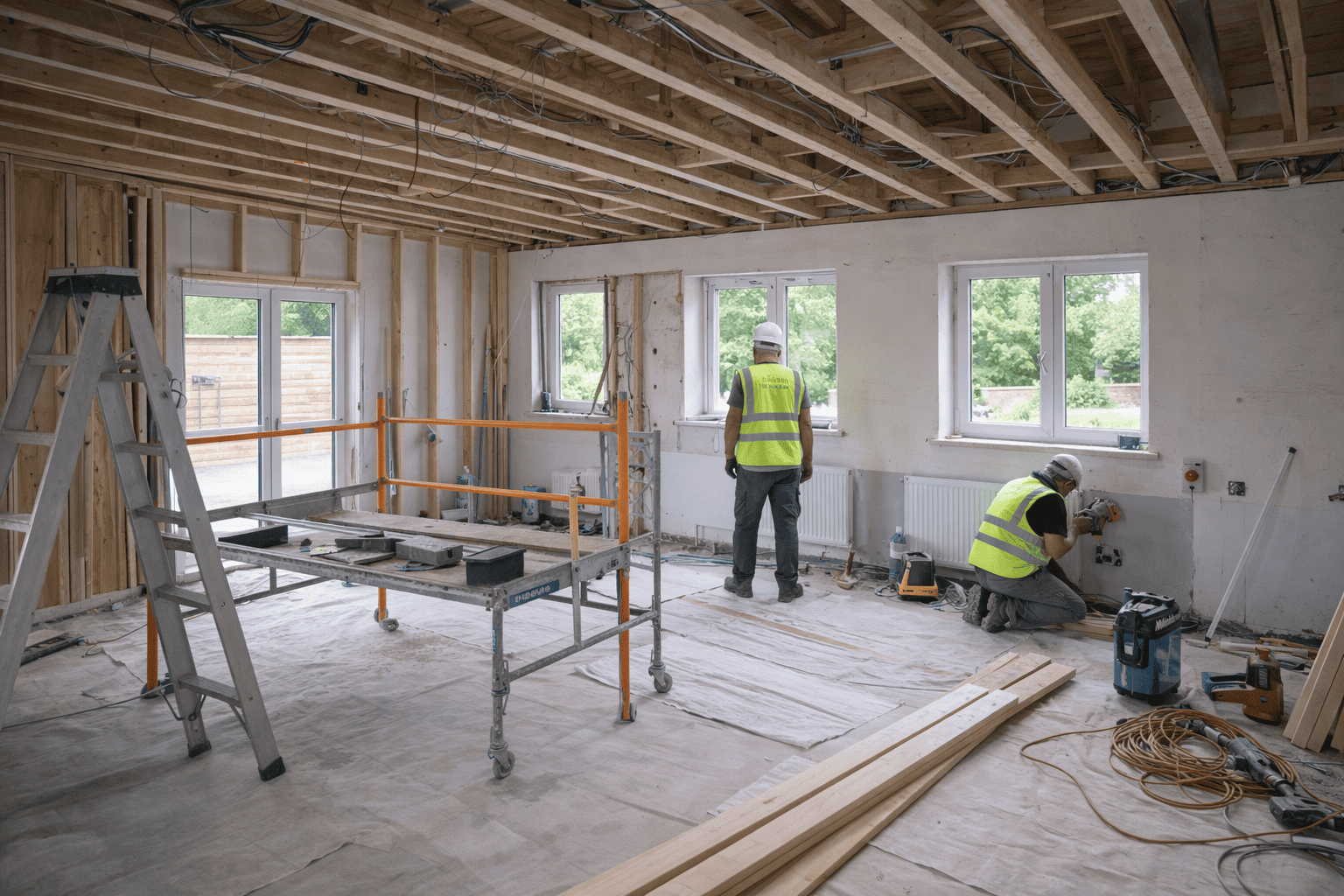
Many of Yorkshire’s existing care home stock were built prior to the introduction of modern CQC standards and Part M accessibility requirements. As a result, many of these homes are being operated at sub-optimal levels. They may be unable to meet current compliance requirements, or the layout may be ill-suited to the way care is delivered today. We undertake both full and part refurbishments. These include: bedroom upgrades, wetroom installation, communal area redesign, fire safety enhancements, M&E upgrades, and Dementia-friendly design upgrades. Without closing your home.

Care home extensions
Extending an existing care home is generally quicker and more economical than developing a new plot. You are not purchasing additional land, nor duplicating back-of-house infrastructure. Your team will also know the site. We plan and construct care home extensions that are fully integrated with your existing building, structurally and operationally, throughout Yorkshire. Every extension is designed to meet the current CQC capacity requirements and Part M accessibility standards.

Dementia and later living design
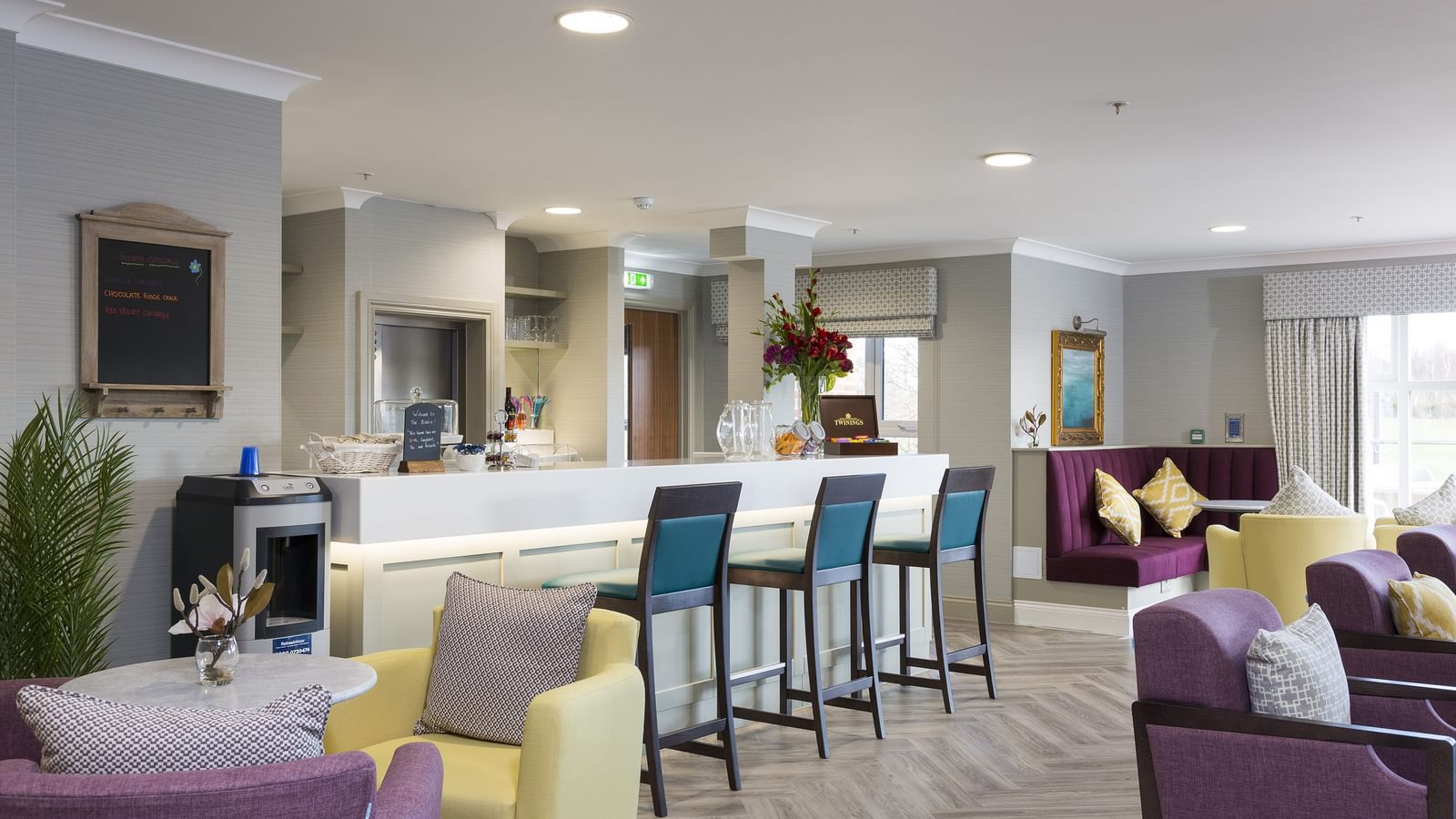
The demand for specialist Dementia care across Yorkshire is growing faster than general residential care. We design and build specialist Dementia units and later living facilities with layouts that aid wayfinding and reduce agitation. We also ensure that our designs provide good sightlines for carers and comply with the evidence base for dementia-friendly environments. All design elements we decide on directly affect the outcomes of residents and also affect how well your care home will perform when inspected by the CQC.

care-home-interior1.jpg

Why Yorkshire? The Market Case to Build Now

A 12,000 Bed Care Home Shortfall With an Extremely Low Development Pipeline to Address It
Yorkshire is facing what is possibly the greatest shortage of care homes in England. Currently, there is approximately a 12,000-bed shortage. However, the regional development pipeline will provide approximately 435 new beds; i.e. only 3.6 % of all identified needs. Also, according to the King's Fund, as of 2014, the number of nursing home places within Yorkshire and Humber had decreased by 21%. At the national level, the number of care home beds per 100 people aged 75 and above has declined from 11.3 to 8.3 (a 26% decline) since 2012. In comparison, the decline for the region of Yorkshire is greater than at the national level. Therefore, as construction companies build or expand their capacity, they are entering a market where demand for this type of service is extremely high, and there is almost no additional competition.

Hospital Discharge Pressure Continues to Get Worse
Yorkshire hospitals have lost 224,936 bed days for patients who are clinically ready for discharge, but they don’t have a place to live. The number is most likely much greater, as about two-thirds of Yorkshire’s NHS trusts did not reply to the Freedom of Information request. This is not just a statistic to be set aside; it shows the gap between actual demand and the availability of care homes. It will also continue to apply increasing pressure on local government to develop new care capacity in the area.
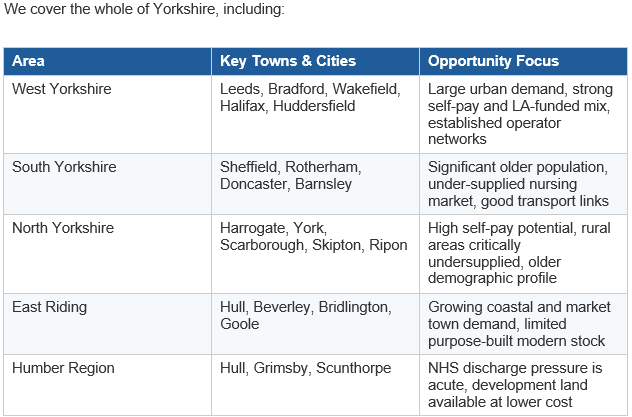
 

care-home-builders-yorkshire.png

Occupancy is holding, but Nursing beds are under pressure

Average occupancy rates in general care homes in Yorkshire and the Humber are approximately 84%. While this falls short of the current UK national average (approximately 86%), it indicates that there is still capacity available before saturation may occur in the local market. In contrast, the UK average for nursing beds is currently at 88-91% occupancy. The loss of over 200 nursing beds in North Yorkshire in recent years, largely due to home closures and staff shortages, has put pressure on the remaining resources. This will create opportunities for the development of higher-dependency and nursing facilities. These types of facilities attract the greatest weekly fee income per unit and the majority of NHS-funded placement business.

Lower Lands Costs, Better Development Economics

Land acquisition costs in Yorkshire are relatively low compared with those in London and other areas of the south east. For example, while a new 60-80-bed build can cost approximately £7-£12 million to develop, less costly land in Yorkshire yields better overall development returns. As well as being significantly lower than the £1,548 charged by care homes in London each week for self-funding residents (£1,116 on average), the lower construction costs and lower land prices associated with developing in Yorkshire mean that the development economics are often comparable to those found elsewhere. This applies particularly to developers who target both self-paying customers and customers whose care is funded by the NHS.

A Growing Elderly Population Across the  County

Yorkshire is a large, diverse area. York is projected to see 36% growth in its over-65 population by 2040. The Leeds City Region, Sheffield, and East Riding have significant and increasing populations aged 75–85 years, the group most likely to require residential care within the next 10 years. Purpose-built homes with over 60 beds are the fastest-growing sector nationally, up 3.6% from December 2025. Homes with fewer than 20 beds dropped by 6%. The market is consolidating to large, modern sites, which is what we do.

care-home-contractors-uk3.jpg

How we work in Yorkshire?

The way we do things is simple. Below are the stages of how we work with you, from the moment you first get in touch to the delivery of your new healthcare property.

Stage 1: What happens at this stage?
Initial conversation (First Contact): A discussion about your project (site, scale, time frame, budget). There is no obligation and no jargon. If there is something that cannot be done, or if there is a reason why, we will advise accordingly.

Feasibility / Site review (Stage 2) Assessment of your site/building. An honest assessment of what can be achieved, the cost implications and the current state of play with regard to the local planning policy.

Design and Planning (Stage 3) Healthcare Architects prepare layouts for your building that comply with CQC Requirements, HTM/HBN Standards, and Part M Accessibility Rules. We also manage the planning process for you.

Build/Project management (Stage 4) We undertake all aspects of the construction process (Structural, Mechanical/Electrical; Fit-Out); including providing you with regular updates on our progress and a Dedicated Project Manager based at your site.

Hand Over/Commissioning (Stage 5): We hand over your new facility, fully compliant with CQC Registration Requirements. We remain contactable after handover for any snagging issues or general support.

FAQ

How many months will a new build care home take to go from planning stage to hand-over?

-

A typical new-build care home project will take around 18–30 months from the receipt of planning permission to completion. The actual time taken during the planning stage will depend on how quickly the local authority processes the application, as this can add 6–12 months to the overall duration. In addition to saving time, acquiring your land at the same time as completing your planning and design work will also save you money.

Are you able to work on an existing, occupied care home and still avoid disturbing the residents?

-

Yes, most of our refurbishments and extensions are undertaken whilst the residents are still in place. We plan each project so that the least possible disruption occurs and all necessary measures are in place to ensure resident wellbeing; we also inform your staff prior to any potentially disruptive activities.

What standard(s) do you comply with when building or extending a care home?

-

Our new builds and extensions comply with all relevant national and regional regulatory standards, including CQC (Fundamental Standards), Health Building Notes (HBNs), Health Technical Memoranda (HTMs), Building Regulations, Part M Access Standards, and we design to HAPPI (Housing our Ageing Population: Panel for Innovation) principles and dementia-specific design guidelines where appropriate.

Do you work with first time care home developers?

-

We do. We have previously worked with all types of clients, ranging from established care providers to individuals looking to enter the industry for the first time. We understand that if you are new to developing care homes, then you may be unsure of what to expect. This includes the regulations that apply, the expected timescales, costs, etc. Rather than mislead you about what lies ahead, we would prefer to provide you with an open and transparent view right from the start.

Let’s get
started

Would you like to learn more about how we can help you with your next residential or commercial project, fill in your details and a member of our team will be in touch.

This site is protected by reCAPTCHA and the Google Privacy Policy and Terms of Service apply.

Latest From the Blog

care-home-extension-kent2.png
How to Extend an Existing Care Home in the UK: Planning, Cost, and Process (2026)

  Most operators increase capacity by extending their existing care homes rather than building new ones. Last yea..

Read Full Story »
care-home-builders-kent2.png
Buying an Existing Care Home vs Building New: The Real Numbers

It's the question every care home investor and operator eventually faces. You've decided to enter the sector or to grow your portfolio. Now you have to choose: do you buy a care home that's already trading, or do you build one from the ground up? ..

Read Full Story »