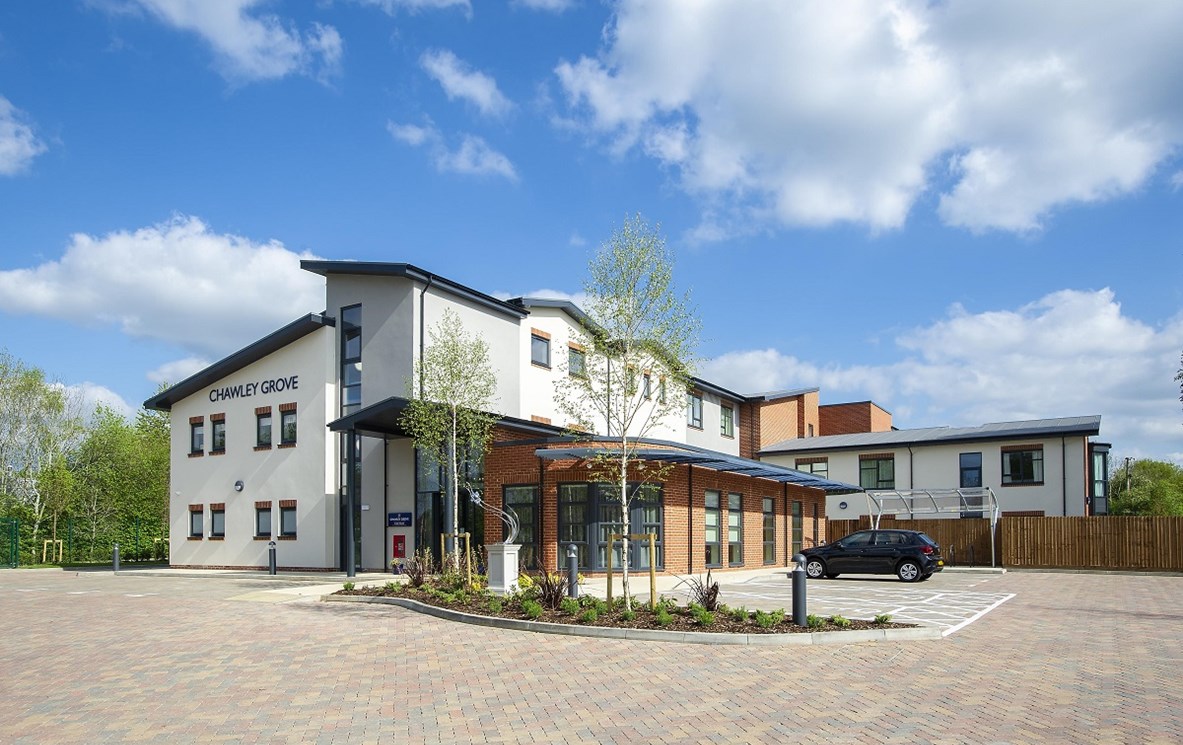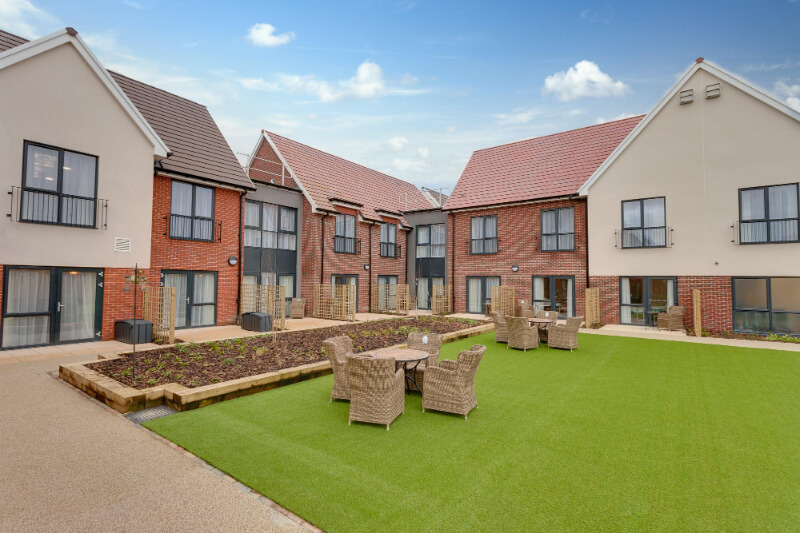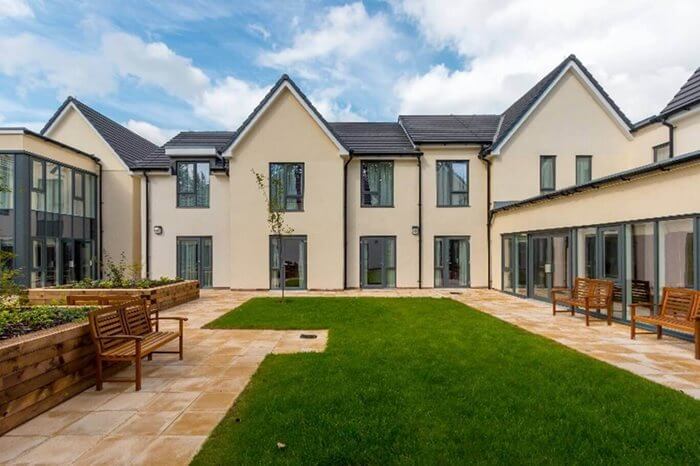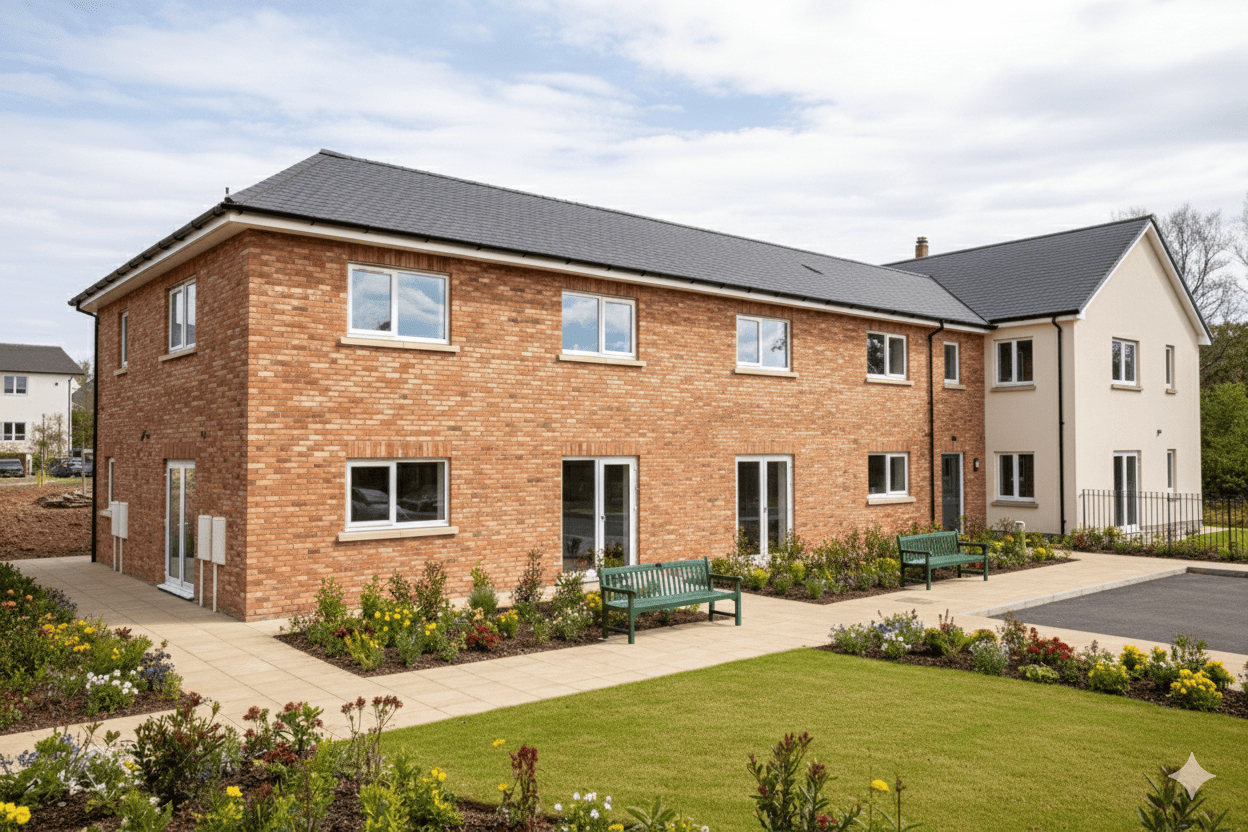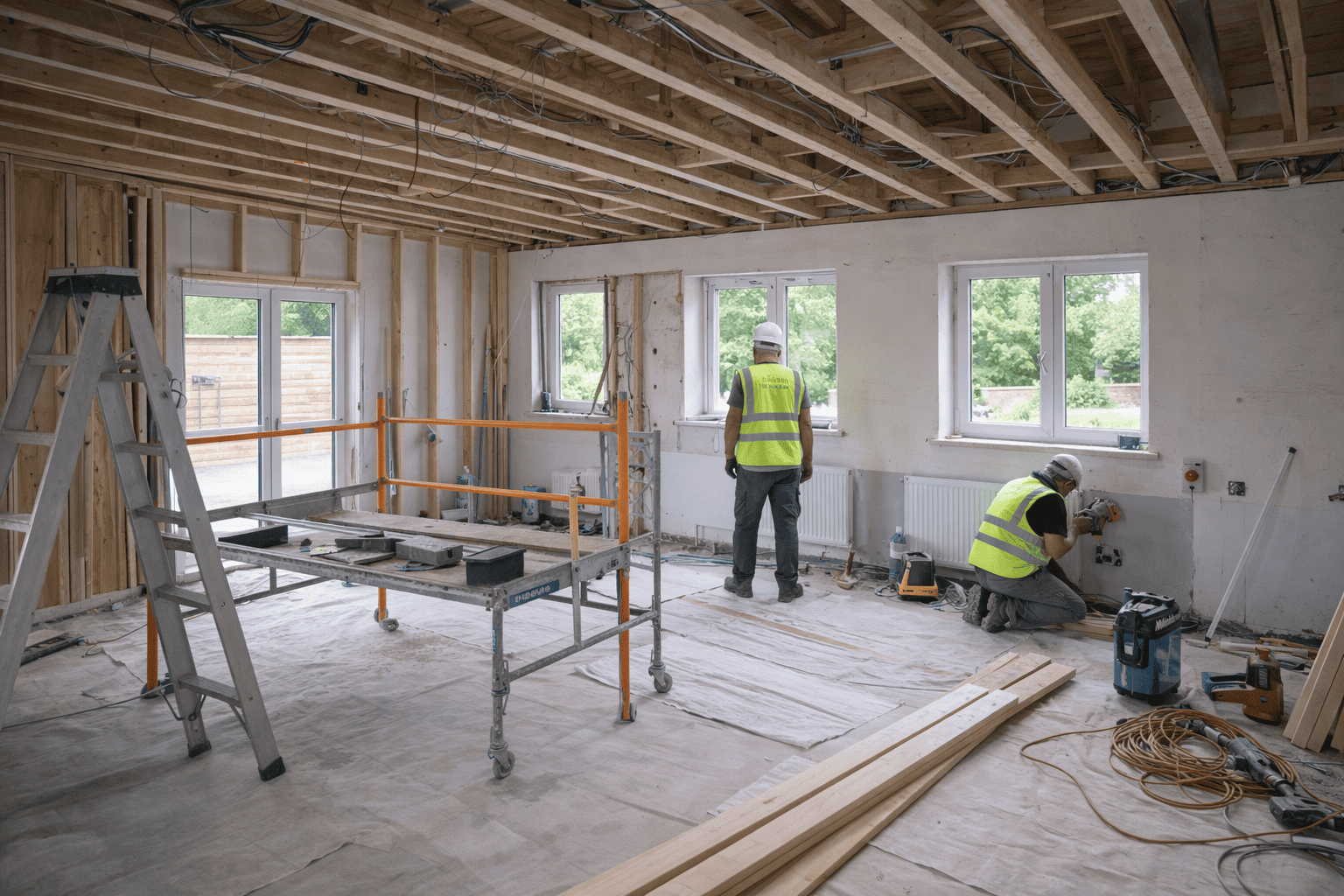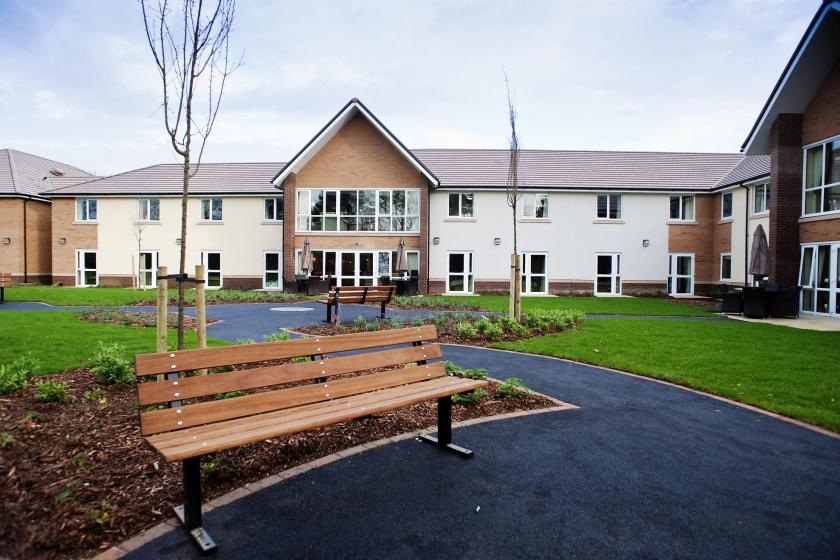
We have experience designing and building smaller-scale accommodation (for adults and children) for individuals with a learning disability, or Autism Spectrum Disorder or both. Designing for this client group requires specific knowledge and expertise, which we provide. The buildings we produce for this client group do not simply represent 'scaled down' versions of mainstream Care Homes. They need to be designed and built to meet National Policy requirements, CQC registration requirements and most importantly, the sensory and behavioural needs of the people who will be using them.
We work with providers and developers who are responding to sustained, policy-driven demand. We think it matters that our clients can see we understand what is driving that demand, because it affects every design decision we make.
Building the Right Support is the national programme to develop community services and close inpatient facilities for people with a learning disability and autistic people who may display behaviour that challenges. It set a target to halve inpatient numbers against 2015 levels. That target has not been met. Around 2,000 people remain in mental health hospitals, and the number of autistic people detained has risen since 2015. The gap between policy and available community capacity is exactly the gap our clients are building into.
Noise is one of the most common triggers of distress, so we treat acoustics as a core specification item, not an afterthought.
Lighting is a frequent and under-appreciated source of distress, and we specify it carefully.
These buildings must withstand far more wear and tear than a standard home, yet never look like a cell. We engineer robustness in and then hide it behind ordinary domestic finishes. The principle we work to is graduated robustness: specification matched to assessed risk, room by room and person by person, rather than a blanket fortress finish.
We work to make the most robust detailing invisible to a visitor. If a scheme looks hardened, we have done it wrong.
Predictability lowers anxiety, so we design buildings that people can understand and anticipate.
Anti-ligature design protects people at risk and is a core part of our specification, but we apply it proportionately. Best practice and CQC guidance both favour homely, non-institutional environments.
We set the level of provision room by room with the provider's clinical and risk teams, and we document it clearly to support CQC registration.
A setting can be secure without looking like one. Institutional security signals control and can raise anxiety in its own right, so we design security that does its job while reading as an ordinary home.
We build for the organisations that develop and operate these settings: specialist care providers, supported-housing developers, and SSH investors and registered providers. We are comfortable starting from an operational brief and a clinical risk profile and translating both into a buildable, registrable scheme. We can support a project from early feasibility and site appraisal, through design development alongside your clinical and operational teams, to construction and handover, with the specification documented to support the provider's CQC registration.
Small. National policy and CQC guidance favour ordinary, domestic-scale settings, typically four to six people and often fewer, sometimes one to three, or self-contained flats in a core and cluster arrangement. Large or co-located developments are no longer registered or commissioned for this group, and we advise clients on this before they commit to a scheme.
Increasingly, supported living with individual tenancies, because it gives the person their own home rather than a place in an institution, which is the direction Building the Right Support and CQC's Right Support, Right Care, Right Culture guidance set. Registered care homes still have a role for those with higher dependency needs. The construction is largely the same for both, so we design to keep the option open.
The care is funded by ICBs and local authorities, often jointly, through routes such as continuing healthcare, Section 117 aftercare, personal health budgets and social care placements. The building itself is usually developed and funded by the care provider, a specialist supported-housing developer, or an SSH investor leasing to a registered provider. The body that funds the care is rarely the body that funds the building, and we design with both in mind.
Building the Right Support is the national programme to move people out of inpatient settings into community housing. The Mental Health Act 2025 reinforces it by restricting when a person with a learning disability or autism can be detained and placing community-provision duties on ICBs and local authorities. Together they create sustained demand for well-designed, Building the Right Support housing, which is what we build.
It removes or modifies features that could pose a risk to people who may harm themselves. We apply it on a risk-assessed basis, concentrating it where risk is genuine rather than applying it across an entire building, so the setting stays homely. We agree on the level of provision with your clinical and risk teams and document it for registration.
Three things: a low-arousal sensory environment through controlled colour, acoustics and lighting; robustness engineered in and hidden behind ordinary finishes; and predictable, legible layouts with space to withdraw and de-escalate. The result is durable and safe, but reads as a home rather than a clinical unit. This is the detail generalist contractors routinely miss.
We are the builder, not the registered provider, so the provider holds the registration. What we do is build to the standards registration depends on, particularly small scale, appropriate location and a non-institutional environment, and document the specification so the provider can evidence it to CQC.
We deliver learning disability and autism care home construction and supported living schemes across the UK, working with providers, developers and specialist housing investors.
Would you like to learn more about how we can help you with your next residential or commercial project, fill in your details and a member of our team will be in touch.
The funding approach for a care home development determines the procurement route, design brief, tenure model, and return profile. Securing the appropriate funding structure before finalising the design is as critical as the building itself. ..
Read Full Story »
Sustainability in care home construction is now a planning requirement, an investor expectation, and a critical financial concern for operators whose residents face unaffordable energy bills. This guide explains BREEAM certification fo..
Read Full Story »