Buying an Existing Care Home vs Building New: The Real Numbers
June 10, 2026
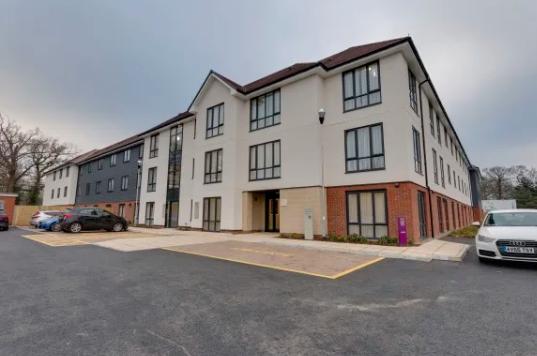
It's the question every care home investor and operator eventually faces. You've decided to enter the sector or to grow your portfolio. Now you have to choose: do you buy a care home that's already trading, or do you build one from the ground up?
Both routes can work. Both can fail. The right answer depends on your capital, your timeline, your appetite for risk, and what you're actually trying to achieve. But too many of these decisions are made on instinct rather than numbers.
This guide gives you the real figures – acquisition prices, build costs, timelines, yields, and the hidden costs on both sides – based on current 2026 UK market data. By the end, you'll have a clear framework for deciding which route fits your situation.
|
~£1bn of individual care homes transacted in the UK in 2025 |
6–10% typical care home investment yields in 2026 |
18–30 months from site purchase to opening a new build |
The 2026 Market: What's Actually Happening
Before comparing the two routes, it's worth understanding the market both sit within. According to Christie & Co's Business Outlook 2026, care home capital values rose 7.1% in 2025, and nearly £1 billion of individually-transacted care homes changed hands across hundreds of deals. Investor appetite is strong, distressed sales are down 22% year on year, and international capital – particularly US REITs – is flowing into the UK sector.
On the development side, the picture is very different. Only 77 new-build care homes opened in the UK over the past year, providing 4,795 beds at an average of 62 beds each. By contrast, 6,551 beds were created by extending existing care homes. New-build openings continue to lag well behind demand – held back by a slow planning system and the limited appeal of areas where private-pay fees are low.
This matters for your decision. A constrained development pipeline means existing homes hold their value and trade at a premium. But it also means well-located new builds face less competition and strong occupancy once open. Both dynamics are in play in 2026.
Buying an Existing Care Home: The Numbers
When you buy a trading care home, you're buying a business as a going concern – the building, the registration, the staff, the residents, and the income stream. The price reflects all of it.
How Care Homes Are Valued
Trading care homes are valued primarily on their earnings, not their bricks and mortar. The standard approach is to apply a multiple to EBITDARM (earnings before interest, tax, depreciation, amortisation, rent, and management fees), or to capitalise the net operating profit at a market yield.
Care home investment yields in 2026 typically range from 6% to 10%, according to Christie & Co, with prime purpose-built assets let to strong covenants achieving keener yields – Knight Frank reported prime care home yields around 5.25% in late 2025. The lower the yield, the higher the price relative to income – so a prime asset at 5.25% costs considerably more per pound of profit than a secondary home at 9%.
What You Actually Pay Per Bed
Going-concern acquisition prices vary enormously with the age, condition, location, and trading performance of the home:
• Older, converted, secondary homes in lower-fee areas: £40,000–£80,000 per bed
• Mid-range purpose-built homes with solid trading: £80,000–£130,000 per bed
• Modern, purpose-built homes in strong private-pay locations: £130,000–£200,000 per bed
• Prime, newly-built homes let to national operators: £200,000–£300,000+ per bed
Note that a well-performing modern home can cost as much per bed to buy as it would to build – sometimes more. The premium reflects the fact that you're buying an established income stream with no development risk and no fill-up period.
The Hidden Costs of Buying
The headline price is rarely the full story. Budget for:
• Stamp Duty Land Tax: up to 5% on commercial property over £250,000 – a significant sum on a multi-million-pound acquisition
• Due diligence: legal, financial, building survey, and CQC compliance review – typically £30,000–£80,000 on a single home
• Deferred capital expenditure: older homes often carry years of under-investment. A building that looks fine on viewing may need substantial work to meet current standards
• Backlog maintenance and compliance: fire safety upgrades, wet room conversions, and M&E replacement that the previous owner deferred
• Rebranding and repositioning: if you're changing the operating model or moving up-market
This is where buying and converting or refurbishing overlap. Many acquisitions are bought precisely because they're underinvested – the buyer's plan is to refurbish, lift the CQC rating, and drive up occupancy and fees. Done well, this is one of the highest-return strategies in the sector. Done badly, the refurbishment costs can wipe out the discount that made the purchase look attractive.
|
The golden rule of buying: never assess an acquisition on its current trading alone. Assess it on what it will cost to bring up to standard, and what it can earn once you've done so. A cheap home with a long backlog of deferred capital expenditure is rarely the bargain it appears. |
Building a New Care Home: The Numbers
Building new means starting with a site and ending with a purpose-built home designed exactly around your operating model. We cover the full breakdown in our guide to how much it costs to build a care home, but here are the headline figures for 2026.
Total Development Cost Per Bed
A purpose-built care home costs the following to develop, all-in, including land, construction, fees, FF&E, and contingency:
• Midlands / North, mid-range specification: £180,000–£220,000 per bed
• South East, mid-to-high specification: £230,000–£270,000 per bed
• London / prime, high specification: £270,000–£350,000+ per bed
Construction alone (excluding land and fees) typically runs £120,000–£186,000 per bed depending on specification and region. Land, professional fees, FF&E, and contingency add the rest.
The Build Timeline
This is the single biggest practical difference between buying and building. A new care home takes 18–30 months from site acquisition to opening:
• Pre-construction (design, planning, procurement): 12–18 months
• Construction: 14–24 months depending on size
• Commissioning, CQC registration, and fill-up: a further 12–18 months to reach stable occupancy
In other words, from the day you buy the land, you might be three to four years away from a fully-occupied, stabilised home. That's a long time to carry land, finance, and construction costs before the asset generates meaningful income. Securing planning permission is often the longest and least predictable part of the journey.
The Hidden Costs of Building
• Planning risk: there is no guarantee of consent, and the process can take 12 months or more. A refused application can derail the entire project
• Construction inflation: a 12-month delay on a £10m build adds roughly £350,000 in cost
• Finance during construction: interest accrues throughout the build with no income to offset it – often £600,000–£1m on a 60-bed scheme
• The fill-up period: a new home opens empty and takes 12–18 months to reach stable occupancy, carrying full staffing and operating costs against partial income throughout
Buying vs Building: Side by Side
|
Factor |
Buying Existing |
Building New |
|
Upfront capital |
Full price on completion |
Phased over 18–30 months |
|
Time to income |
Immediate – home is already trading |
3–4 years to stabilised occupancy |
|
Cost per bed |
£40k–£300k+ depending on quality |
£180k–£350k+ all-in |
|
Planning risk |
None – already consented and built |
Significant – consent not guaranteed |
|
Construction risk |
None (unless refurbishing) |
Full exposure to cost and programme |
|
Building condition |
As-is; may carry deferred capex |
Brand new, zero backlog |
|
Design fit |
Compromise – inherited layout |
Exact – built around your model |
|
CQC registration |
Transfers / re-registers |
New registration required |
|
Income certainty |
Established trading history |
Projected, unproven until open |
|
Operational lifespan |
Shorter – ageing building |
Longer – 30+ years to next major works |
|
Energy efficiency |
Often poor (older stock) |
High – EPC A/B, lower running costs |
A Worked Comparison: 60 Beds, South East
To make this concrete, here's a side-by-side comparison of buying versus building a 60-bed care home in the South East, based on current market figures.
Option A: Buy an Existing 60-Bed Home
|
Buying – 60-bed mid-range, South East |
Figure |
|
Going-concern purchase price (£140k/bed) |
£8,400,000 |
|
Stamp Duty Land Tax |
£410,000 |
|
Due diligence and legal |
£60,000 |
|
Initial refurbishment / repositioning |
£900,000 |
|
Total capital deployed |
£9,770,000 |
|
Time to income |
Immediate |
|
Cost per bed (all-in) |
£163,000 |
Option B: Build a New 60-Bed Home
|
Building – 60-bed mid-to-high, South East |
Figure |
|
Land (1.2 acres) |
£2,500,000 |
|
Construction contract |
£9,700,000 |
|
Professional fees + planning |
£1,450,000 |
|
FF&E + fit-out |
£850,000 |
|
Contingency + finance |
£2,100,000 |
|
Total development cost |
£16,600,000 |
|
Time to stabilised income |
3–4 years |
|
Cost per bed (all-in) |
£277,000 |
On paper, buying looks dramatically cheaper per bed (£163k vs £277k) and generates income immediately. But the comparison isn't quite that simple. The new build is a brand-new, energy-efficient, purpose-designed asset with a 30-year-plus operational life, an EPC A or B rating, lower running costs, and a higher exit value. The acquired home is older, carries some deferred capital expenditure beyond the initial refurbishment, and will need further investment over the coming years.
The right comparison isn't just the entry price – it's the whole-life return. A new build costs more upfront but earns for longer with lower running costs. An acquisition costs less and earns sooner but has a shorter runway before the next major reinvestment.
Which Route Is Right for You?
There's no universal answer, but the decision usually comes down to four questions.
1. How quickly do you need income?
If you need the asset generating returns quickly – to service debt, to demonstrate performance to investors, or to recycle capital – buying is almost always the answer. A new build will not produce meaningful income for three to four years.
2. How much capital do you have, and when?
Buying requires the full price on completion. Building spreads the cost over the development period but ties up capital with no return until the home opens. Your funding structure and cash-flow position will often make the decision for you.
3. How important is design fit?
If you operate a specific care model – dementia-specialist, high-acuity nursing, or a premium private-pay concept – an inherited building will always involve compromise. Building new lets you design the layout, the communal spaces, and the specification around exactly how you deliver care. For specialist models, that fit can be worth the premium.
4. What's your risk appetite?
Buying a trading home removes planning risk, construction risk, and the fill-up period – you're buying a known quantity. Building exposes you to all three, in exchange for a brand-new asset and a higher long-term return. If you're risk-averse or new to the sector, buying is the lower-risk entry point.
|
The most successful operators we work with do both. They buy trading homes to build scale and cash flow quickly, and they build new homes selectively in locations where the demographics justify a premium purpose-built asset. The two strategies complement each other rather than compete. |
The Third Option: Buy and Transform
There's a middle path that often delivers the best of both. Buying an underperforming or undervalued home – or a non-care building suitable for conversion into a care home – and then investing in a comprehensive refurbishment or conversion can combine a lower entry price with a substantially uplifted asset.
This strategy works because the acquisition price reflects the building's current condition, while the post-refurbishment value reflects its improved trading, higher CQC rating, and modernised specification. The gap between the two is where the return sits. It requires a contractor who understands both the construction and the care sector – but done well, it consistently outperforms both buying a prime asset at a keen yield and building new from scratch.
Weighing Up a Care Home Investment?
Whether you're assessing an acquisition, planning a new build, or considering buying a property to convert, the construction numbers matter as much as the purchase price. At Care Home Builders, we provide feasibility assessments and cost plans for all three routes – helping investors and operators pressure-test the real numbers before they commit.
Frequently Asked Questions
Is it cheaper to buy or build a care home?
On entry price per bed, buying an existing home is usually cheaper – going-concern prices range from around £40,000 to £300,000+ per bed depending on quality, while building new costs £180,000–£350,000+ per bed all-in. But the cheaper entry price of an acquisition often comes with deferred capital expenditure and a shorter remaining building life. On a whole-life basis, a new build can deliver a better return despite the higher upfront cost, because it earns for longer with lower running costs. The right comparison is total return over the holding period, not just the entry price.
How long does it take to build a care home compared to buying one?
Buying a trading care home gives you immediate income – the home is already operating. Building new takes 18–30 months from site acquisition to opening, plus a further 12–18 months to reach stable occupancy. From the day you buy the land, you could be three to four years from a fully-stabilised home. This timeline difference is the single biggest practical factor in the buy-versus-build decision.
What yield do care homes achieve in 2026?
Care home investment yields in 2026 typically range from 6% to 10%, with prime purpose-built assets let to strong national operators achieving keener yields of around 5.25%. Lower yields mean higher prices relative to income, so prime assets cost considerably more per pound of profit than secondary homes. Yields have remained relatively stable despite structural changes in the market, including the growth of REIT ownership and RIDEA management structures.
What are the hidden costs of buying a care home?
Beyond the headline price, budget for Stamp Duty Land Tax (up to 5% on commercial property over £250,000), due diligence (£30,000–£80,000), and – most significantly – deferred capital expenditure. Older homes often carry years of under-investment in fire safety, wet rooms, and M&E systems that the previous owner deferred. A thorough building survey and CQC compliance review before purchase is essential to understand the true cost of bringing the home up to standard.
Is buying a care home to refurbish a good strategy?
It can be one of the highest-return strategies in the sector. Buying an underinvested home at a price that reflects its current condition, then refurbishing it to lift the CQC rating and drive up occupancy and fees, captures the gap between the acquisition price and the improved value. The key is accurate assessment of the refurbishment cost before purchase – if the works cost more than the discount that made the home attractive, the strategy fails. This works best with a contractor who understands both construction and the care sector.
Should a first-time care home investor buy or build?
For most first-time investors, buying a trading home is the lower-risk entry point. It removes planning risk, construction risk, and the fill-up period, and provides immediate income and an established trading history to learn from. Building new exposes a first-time investor to the full range of development risks at once. Many successful operators start by acquiring trading homes to build scale and cash flow, then move into selective new-build development once they have sector experience and capital behind them.
Recent Blogs
- CQC Registration for a New Care Home: The Full Process, Timeline, and What Goes Wrong
- Care Home Development Finance Explained: Senior Debt, Mezzanine, and Forward Funding
- How Your Building Design Affects Staffing Costs — and Why It’s Worth More Than You Think
- Care Home Insurance and Warranties: What Every Developer and Investor Needs to Know
- Care Home Build Cost vs Fee Income: The Numbers That Actually Matter for Investors